
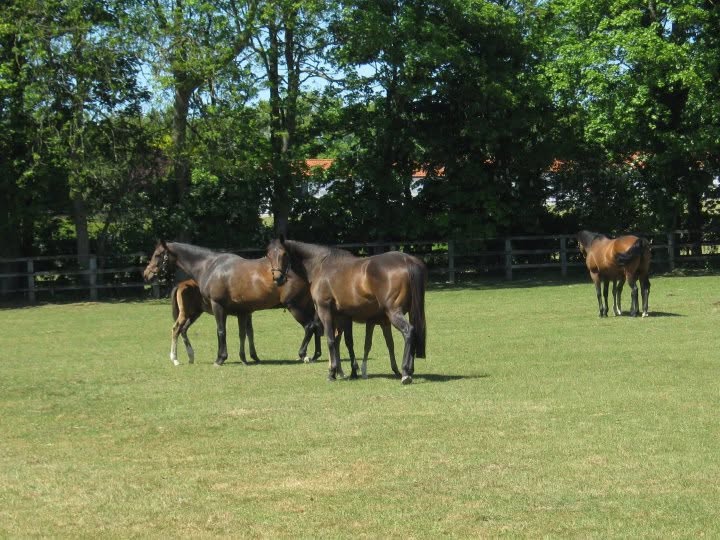
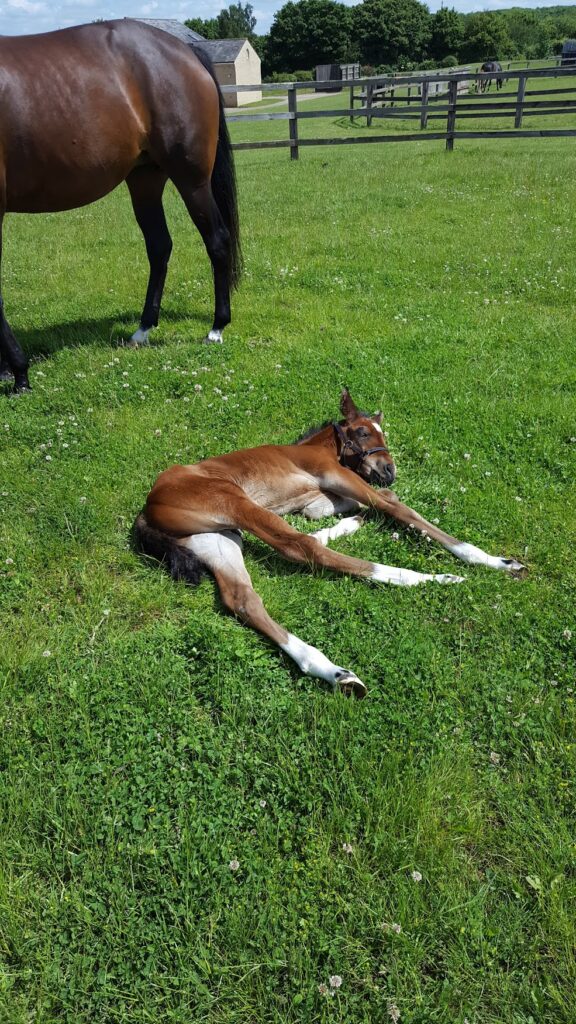
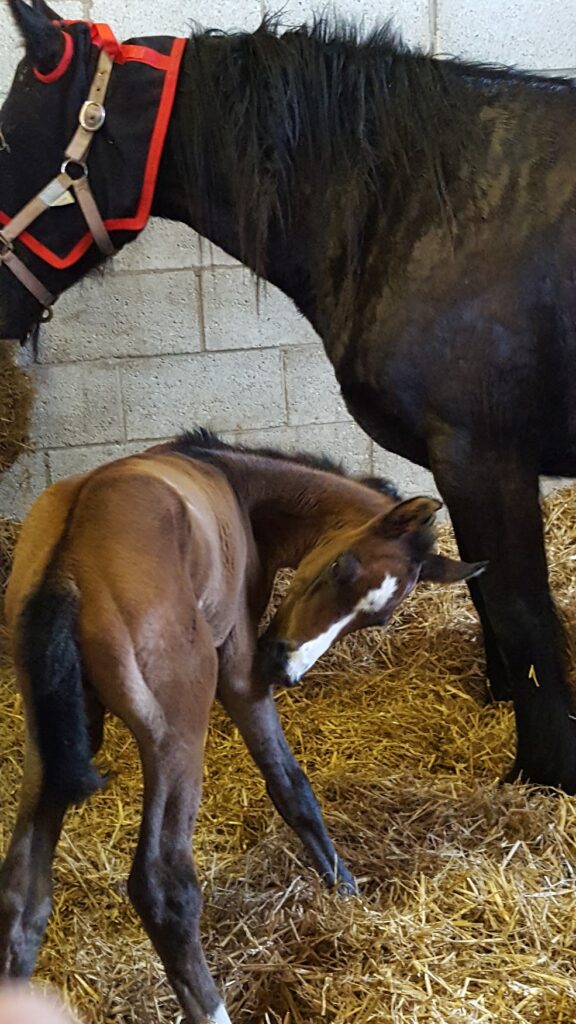
We are getting to the time of year where posts begin to start about breeding plans for next year. It is one of the most beautiful pictures: a warm spring morning, a content mare grazing, and a leggy, perfect foal sleeping in the grass beside her. If you own a mare you adore, it is incredibly easy to let your heart take over. You start thinking about continuing her bloodline, creating your next dream riding partner. Or giving her a “purpose” if she has been retired from work.
But as an equine scientist and former stud manager, I have to ask you to hit the pause button. Before you look at stallion catalogues or call the AI vet, we need to talk about the side of breeding that social media doesn’t show. We need to talk about the cold, hard veterinary risks.
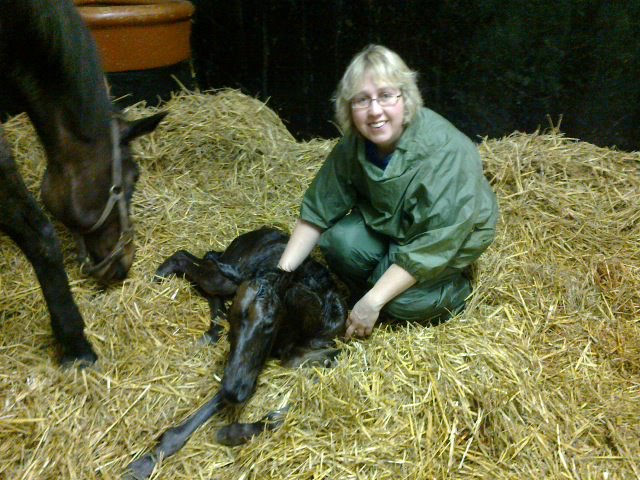
300 Foalings and the Realities of the Night Watch
I didn’t learn about breeding just from text books while studying for my BSc (Hons) in Equine Science. Over the past 20 years, I have foaled down over 300 mares. When you manage that volume of births, you see the full spectrum of equine reproduction. You see the miracles, but you also see every complication in the veterinary handbook. And quite a few that aren’t in the books, because experienced stud managers often have to fix them in the straw at 3:00 AM without a vet on hand.
From managing complex fostering where a mare has rejected a foal or a foal has been left orphaned. To delivering severely deformed but living foals that required immediate, heartbreaking euthanasia moments after birth to prevent suffering. Especially as that happened in front of students we teaching once.
I don’t say this to scare you for the sake of it. I say it because if you choose to breed your mare, you are stepping out of the role of a rider and into the role of a breeder. And the very first rule of breeding is understanding that you are putting your beloved horse’s life on the line.
The Injury Trap: “She’s Lame, Let’s Breed Her”
One of the most common phrases I have heard on livery yards is, “She’s got a chronic tendon injury/navicular/bad hocks and can’t be ridden anymore, so I’m going to breed from her.” It sounds like a logical solution to keep a retired mare useful, but from a biomechanical and scientific standpoint, it can be a disaster.
Carrying a foal is a massive physical endurance test. In the final trimester, a mare is carrying an extra 50 to 60 kilograms of weight. This doesn’t just add a heavy load; it completely shifts her center of gravity, altering how weight is distributed across her legs.
An old ligament or joint injury that is perfectly manageable when she is living a quiet life in the field can suddenly become an excruciating source of pain under the mechanical stress of late-term pregnancy. If her hind legs or back are compromised, the physical toll of labor itself can cause severe flare-ups or permanent damage. Before you breed, you have to ask yourself: Is her body genuinely strong enough to act as an incubator for 11 months?
The Emotional Toll of the Unexpected
When you breed your own horse, the emotional stakes are infinitely higher than they are for a commercial stud manager. If a commercial stud loses a mare, it is a tragic financial and operational blow. If you lose your mare, you have lost your best friend, your partner, and a family member.
The emotional toll of breeding isn’t just about the risk of losing the mare. It’s being prepared for the heartbreaking grey areas in between:
- The Rejection: What happens if your mare survives, but completely rejects the foal? It happens. Managing a violent or aggressive mare who refuses to let her own foal nurse requires intense, round-the-clock intervention. It can completely change how you view your horse.
- The Foster Journey: If you lose the mare but save the foal, you are immediately thrust into the exhausting, high-stakes world of finding a foster mare or hand-rearing an orphan, a process that involves feeding every two hours, day and night.
- The Hardest Calls: Delivering a foal with severe, non-viable deformities that is technically alive but cannot survive is an incredibly heavy experience. Standing in the straw making the call to euthanize a newborn is a core memory you do not want. But it is a reality of the breeding shed.
Before you take the leap, you have to look past the dream of the fluffy foal and ask yourself the hardest question of all. If things go wrong, am I emotionally and financially prepared to deal with the fallout?
The Pre-Breeding Audit: Is Your Mare Truly a Candidate?
Before you book the stallion, print out this checklist and answer these four questions with total honesty. If you can’t firmly check “Yes” to all of them, your heart might be overriding the science.
- Is she physically sound without medication? If your mare relies on daily anti-inflammatories or careful management just to stay pasture-sound due to an old injury, her body cannot safely support the massive structural shift and extra weight of late-term pregnancy.
- Does she have an excellent, proven temperament? Temperament has a huge genetic component. Beyond that, a high-strung, anxious, or aggressive mare is statistically much more likely to struggle with the stress of foaling. This can lead to dangerous handling situations or foal rejection.
- Do you have an emergency veterinary fund ready? Equine reproduction can get expensive fast. If your mare needs a dynamic c-section, handles a severe dystocia, or the foal requires intensive care for neonatal maladjustment (dummy foal syndrome), veterinary bills can easily spiral into thousands within 48 hours.
- Are you emotionally prepared for the worst-case scenario? If the answer to “Would I be okay if I lost my mare but kept the foal?” is a definitive no, then the risk of breeding your personal heart-horse is simply too high.
The Bottom Line
Breeding is a gamble where nature always holds the cards. If you have an exceptional mare who is physically robust, mentally stable, and you have the financial and emotional backing to handle whatever happens at 3:00 AM, it can be an incredibly rewarding journey. But if you are doing it just because she’s lame, or because you want a carbon copy of her, the science says it’s time to reconsider.
If you do decided to proceed, I recommend that you invest in my book that I wrote a number of years ago now – https://amzn.eu/d/0e4hAVfY . I do have some resources free to view on my YouTube channel which are worth a look. Or sign up to my foaling course HERE