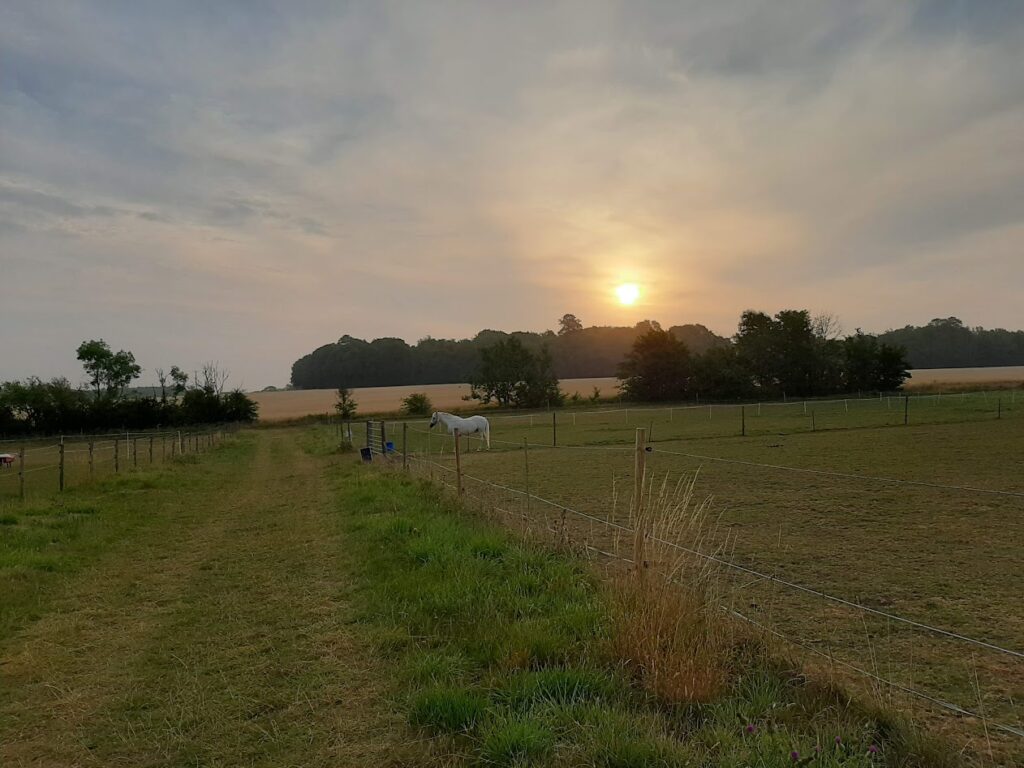
With temperatures climbing past 25°C in the UK this week, our livery yards are turning into greenhouses. While we humans reach for an ice cream and a fan, our horses have a much bigger problem. As large-muscled animals, they produce an immense amount of internal body heat—and when you throw a dark coat into the mix, things get dangerous quickly.
Managing Thoroughbreds in the head of Australia and all round has taught me that standard paddock shade often disappears by midday. If you want to keep your horse comfortable and safe on a standard leisure yard this week, it’s time to ditch the old wives’ tales and lean into the science of equine cooling.
Here are four evidence-based, practical steps to help your horse beat the heat.
1. Track the Sun (Don’t Just Trust the Stable)
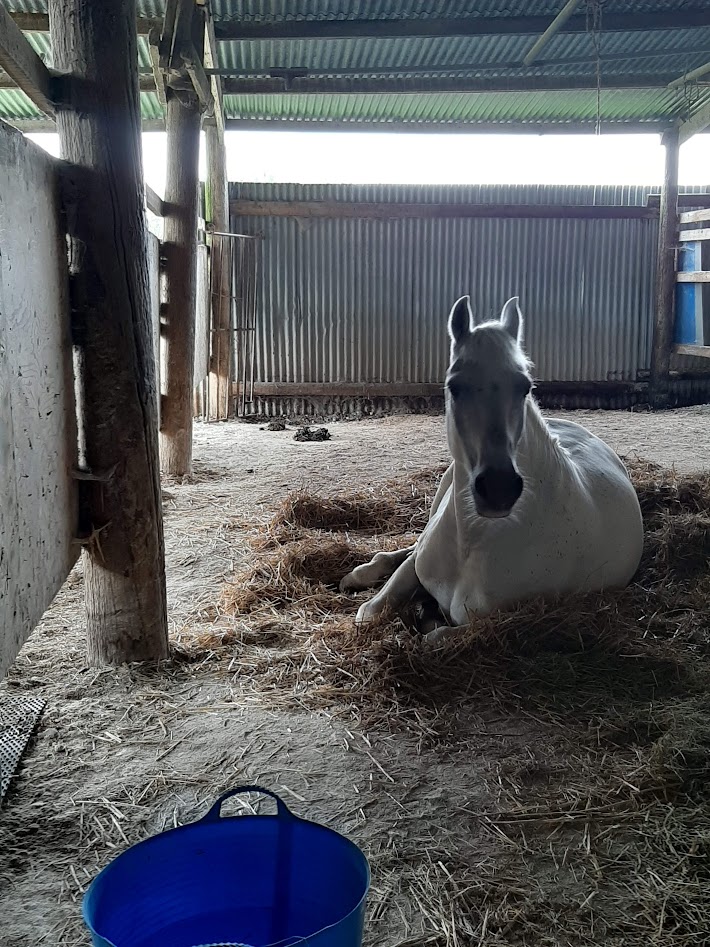
We often think bringing a horse inside a brick or wooden stable is the ultimate cooling solution. But stables can become stagnant sweatboxes depending on where the sun hits.
- The Reality: A stable that is beautifully cool at 9:00 AM might face direct, scorching afternoon sun by 3:00 PM.
- The Fix: If your stable heats up, look for options like an indoor pen or an American-barn style setup that offers better airflow and a cooler concrete base. Keep them inside during the peak heat of the day, and swap to overnight turnout when the temperature finally drops.
2. Hydration Hacks: Go Beyond the Water Trough
Getting enough fluids into your horse during a heatwave requires a bit of strategy.
- The Two-Bucket Rule: If you are feeding electrolytes to replace lost salts, always provide two separate buckets. One with the electrolytes and one with plain, fresh water. If your horse decides they don’t like the taste of the supplement, they will refuse to drink entirely, leading to rapid dehydration.
- Sneak Moisture into the Diet: Soak your hay nets thoroughly so your horse is taking in moisture with every mouthful. You can also feed their usual hard feed extra wet, transforming it into a sloppy, hydration-packed recovery mash.
3. The Big Science Myth: Scraping vs. No Scraping
For decades, the golden rule on UK yards was that you must scrape off excess water after hosing a hot horse, otherwise, the water would “trap the heat” and boil them.
As an equine scientist, I am here to tell you that this is completely false.
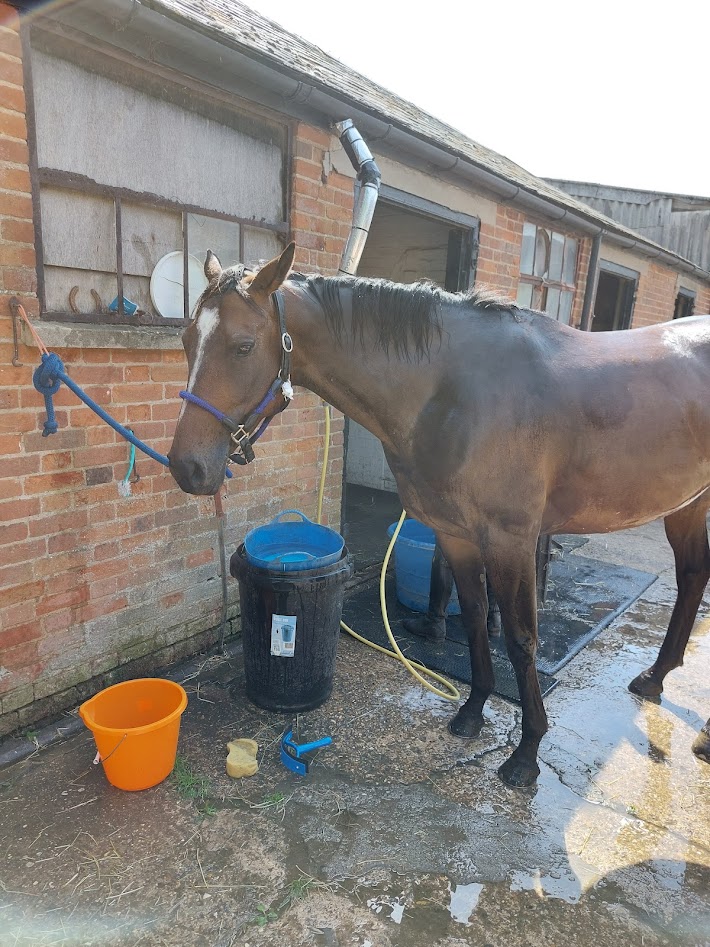
Veterinary research and thermal imaging have proven that leaving the water on the horse is actually the fastest way to drop their core temperature. It cools them down via evaporative cooling. By leaving your horse soaking wet, the breeze evaporates the water off their skin, mimicking a super-powered sweat system.
Hose them down thoroughly, leave the sweat scraper in the tack room, and put them straight into the shade or out at night wet. On intense days, I would repeat this multiple times.
4. Reconsider the Fly Rug
While fly rugs are great for keeping bugs away, remember that you are essentially putting an extra layer of clothing on your horse in 25°C+ weather. A dry fly rug traps a layer of warm air right against their skin. If the flies are unbearable, opt for a premium-strength fly spray or bring them inside during peak bug hours. If they absolutely must wear a rug, consider hosing the rug down with cold water while they wear it to provide a built-in cooling blanket.
See the Routine in Action
Want to see exactly how I set up Stormy’s indoor pen, prepare her wet mash, and manage her cooling baths without a scraper? Watch my full, real-world summer routine tutorial below:
👉 Watch the Beat the Heat Tutorial on YouTube
Stay cool out there, keep those horses hydrated, and don’t forget to subscribe to the channel for more “in black and white” horse care advice!