Adventures at the Checkpoint: What I Learned Volunteering on a FEI Endurance Ride

I might not be competing myself any more but I am still very active with my horse friends. Last weekend I stepped back in time to go to back to the place where I first lived, when I moved to Norfolk 20 years ago! Yes, I have now been in the East the longest that I have lived anywhere.

Those of you who are familiar with my story will know that I like to give back. Whether that is by helping out with friends at show, sharing my knowledge in my books and videos or volunteering at horse events like Little Downham BE or the London Horse Show. Volunteering whether in the horse world, farming or F1 has long been a passion. I love the connections and feeling that it gives.

A few months back I bumped into Lauren in the gym of all places. She runs the Lavenham and Rushford Endurance rides with her friend Anna and their families. Lauren and I worked together at Janah over 5 years ago. She organised shipping horses to Australia and I was shipping horses all over the UK and Europe. We have both since moved on so it was nice to catch up with her.

As I am now horseless, I do have a bit more time for volunteering. So I asked Lauren if she needed any help and she was very happy to say yes they did. Our diaries didn’t quite align until last weekend. This is when I trundled off to Rushford, near Thetford for their last FEI International Ride weekend of the year. I used to live in Rushford and kept my horses on the Euston Estate which formed some of the ride. So this was very much my old stamping ground.

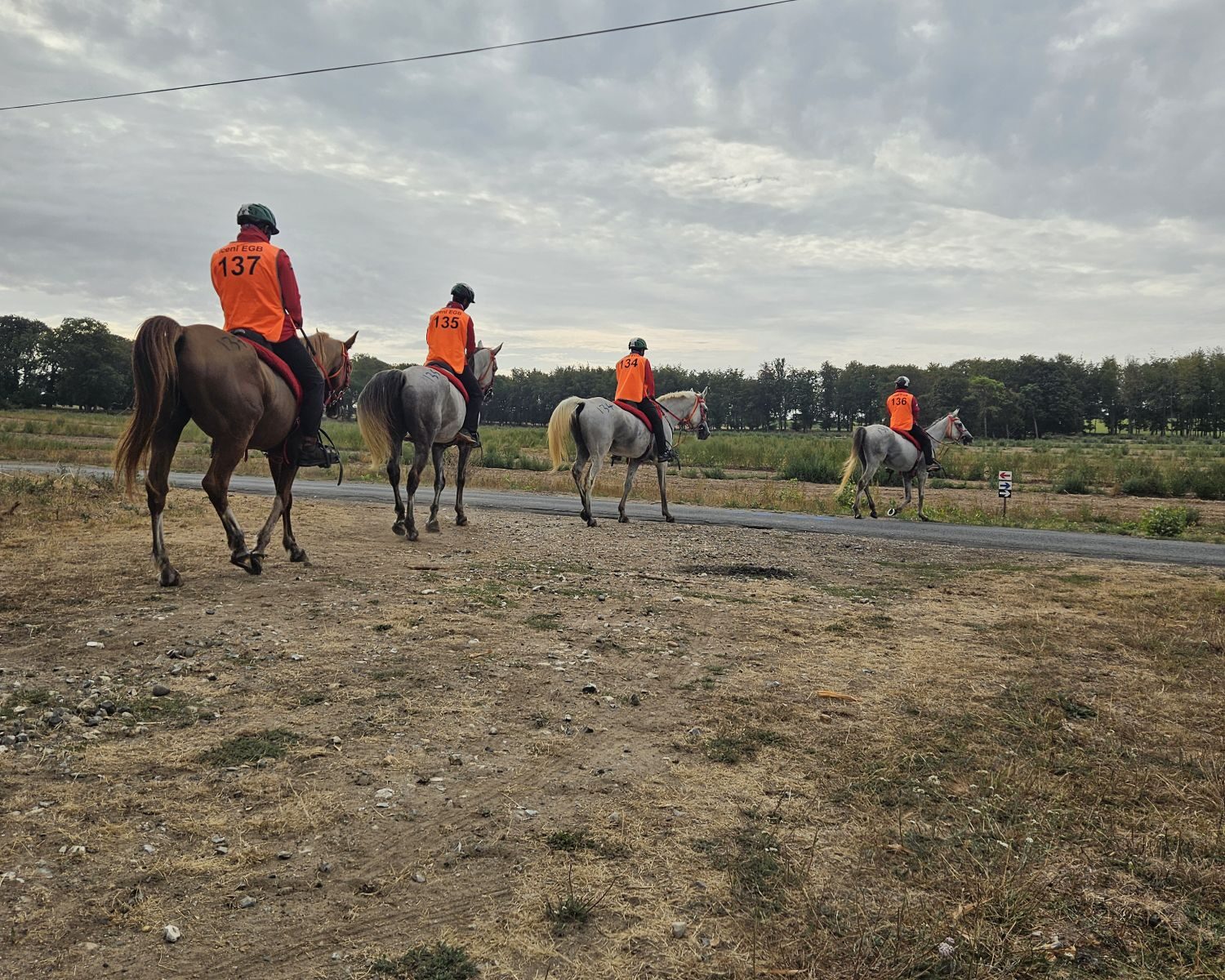
I had been selected to be a check point steward. Which means that I was stationed at a particular point that all the riders went past at least once while completing whatever distance they were riding in. It was on a road crossing so I was also keeping an eye on the traffic. I had a clipboard, list of horses , Hi-Viz and a radio walkie talkie. I had to record every horse that came past, the time they passed me and relay this information back to control.
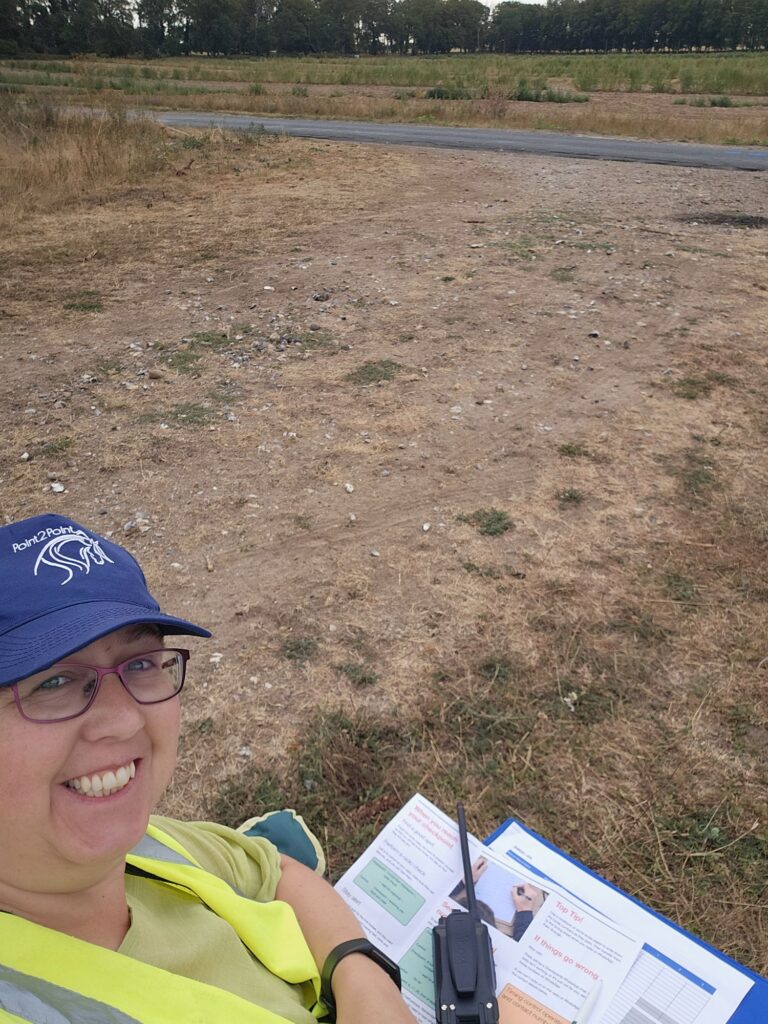
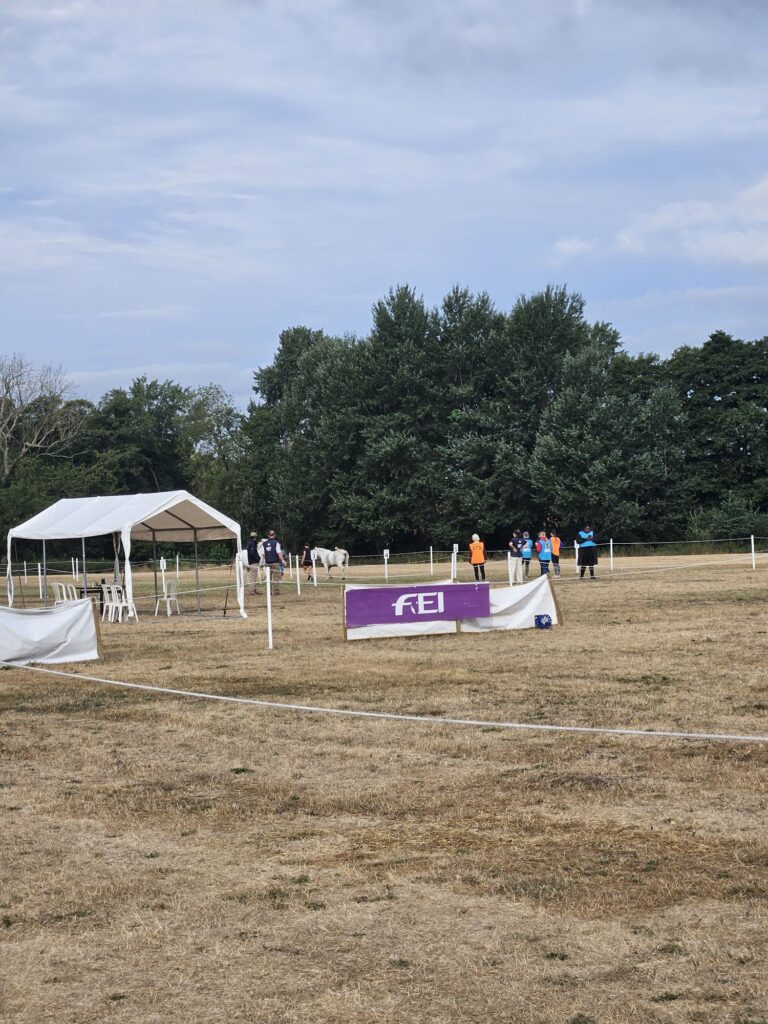
Sunday was the quieter of the two days and probably best for me to start on as I had never done this role before. I was also on my own at the check point. The longest ride was 80km with other classes for 20k, 40k, 30k and the second day of the two day 80km. I was on post from 8:45 to just gone 14:00 which was a nice stint. I was well looked after and there was opportunity to have breaks.

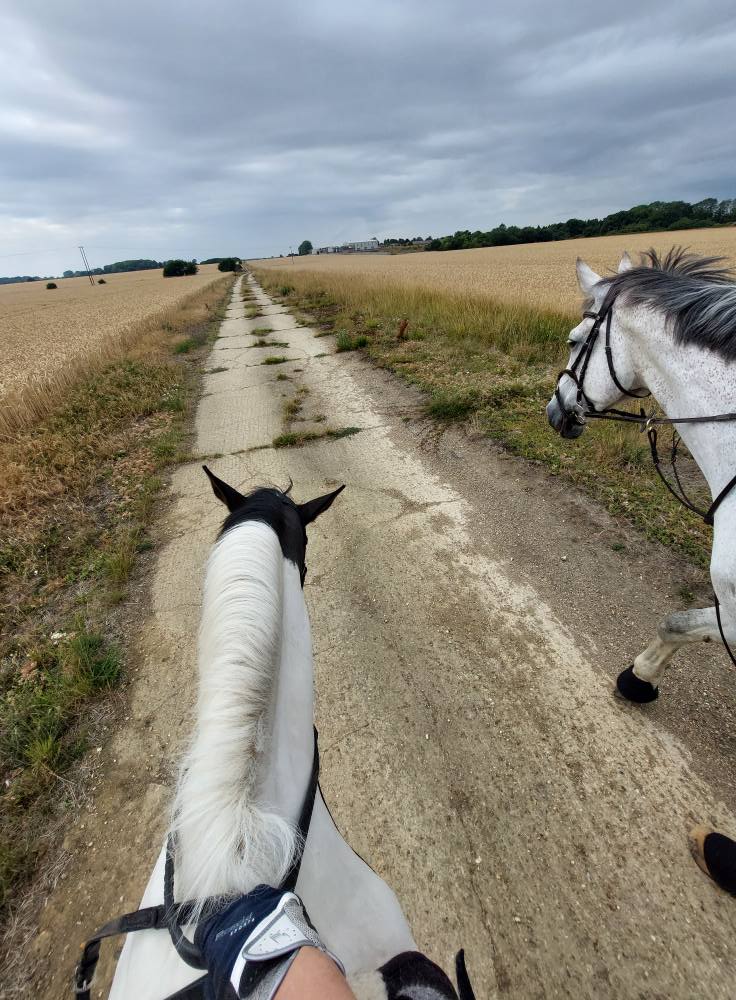
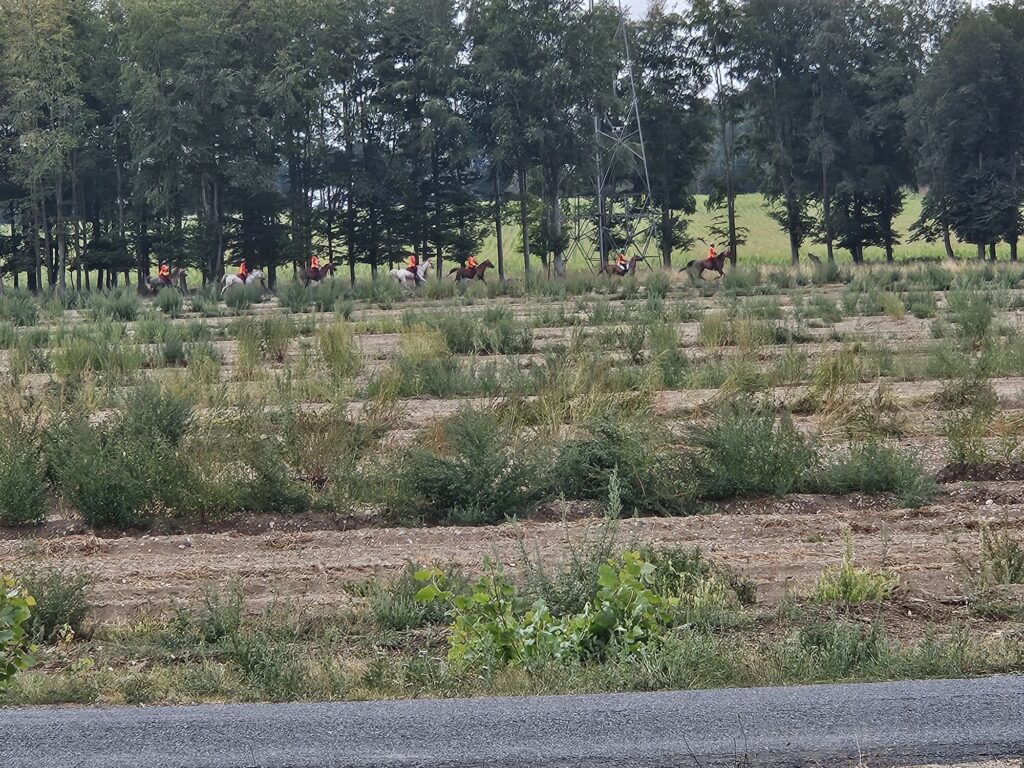
It was lovely, just sat in the quiet, watching the lovely horses come past. The 80k riders came past three times and they definitely were pleased to see us on the last loop! Having volunteered at a variety of different events. I actually thought that the horses all looked in great shape and were happy with what was being asked of them. This, sadly, is not always the case especially in the lower levels of BE. So it was very refreshing. Endurance is by no means without it’s own scandal but with the vet presence at these events, I do think that this helps with what I saw myself at the weekend.
All in all, I really enjoyed it and would definitely do it again. I even said to Lauren that I quite fancied crewing at a ride if she wanted help! So who knows, if I ever did have a horse again, that might be the route I went down. It’s a lovely way to enjoy the countryside and be with your horse. Plus if you are competitive, there is plenty to aim at.

If you do want to know more about how to get involved in volunteering, drop me a line on my socials or on here.
Beating the UK Heatwave: Pro-Level Cooling Strategies for Your Horse

With temperatures climbing past 25°C in the UK this week, our livery yards are turning into greenhouses. While we humans reach for an ice cream and a fan, our horses have a much bigger problem. As large-muscled animals, they produce an immense amount of internal body heat—and when you throw a dark coat into the mix, things get dangerous quickly.

Managing Thoroughbreds in the head of Australia and all round has taught me that standard paddock shade often disappears by midday. If you want to keep your horse comfortable and safe on a standard leisure yard this week, it’s time to ditch the old wives’ tales and lean into the science of equine cooling.

Here are four evidence-based, practical steps to help your horse beat the heat.

1. Track the Sun (Don’t Just Trust the Stable)

We often think bringing a horse inside a brick or wooden stable is the ultimate cooling solution. But stables can become stagnant sweatboxes depending on where the sun hits.

  • The Reality: A stable that is beautifully cool at 9:00 AM might face direct, scorching afternoon sun by 3:00 PM.
  • The Fix: If your stable heats up, look for options like an indoor pen or an American-barn style setup that offers better airflow and a cooler concrete base. Keep them inside during the peak heat of the day, and swap to overnight turnout when the temperature finally drops.

2. Hydration Hacks: Go Beyond the Water Trough

Getting enough fluids into your horse during a heatwave requires a bit of strategy.

  • The Two-Bucket Rule: If you are feeding electrolytes to replace lost salts, always provide two separate buckets. One with the electrolytes and one with plain, fresh water. If your horse decides they don’t like the taste of the supplement, they will refuse to drink entirely, leading to rapid dehydration.
  • Sneak Moisture into the Diet: Soak your hay nets thoroughly so your horse is taking in moisture with every mouthful. You can also feed their usual hard feed extra wet, transforming it into a sloppy, hydration-packed recovery mash.

3. The Big Science Myth: Scraping vs. No Scraping

For decades, the golden rule on UK yards was that you must scrape off excess water after hosing a hot horse, otherwise, the water would “trap the heat” and boil them.

As an equine scientist, I am here to tell you that this is completely false.

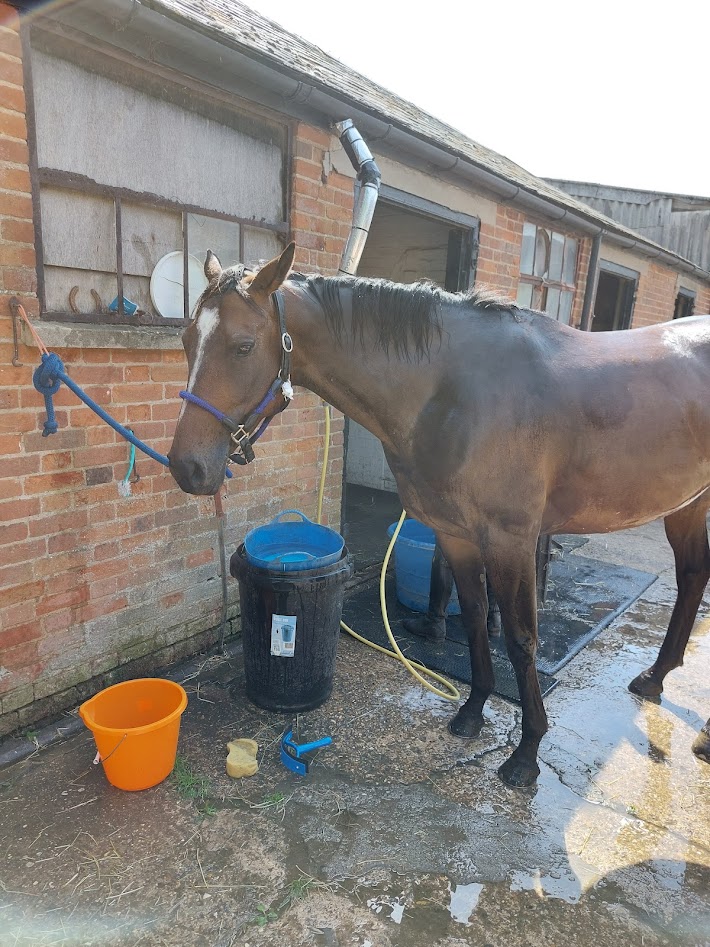
Veterinary research and thermal imaging have proven that leaving the water on the horse is actually the fastest way to drop their core temperature. It cools them down via evaporative cooling. By leaving your horse soaking wet, the breeze evaporates the water off their skin, mimicking a super-powered sweat system.

Hose them down thoroughly, leave the sweat scraper in the tack room, and put them straight into the shade or out at night wet. On intense days, I would repeat this multiple times.

4. Reconsider the Fly Rug

While fly rugs are great for keeping bugs away, remember that you are essentially putting an extra layer of clothing on your horse in 25°C+ weather. A dry fly rug traps a layer of warm air right against their skin. If the flies are unbearable, opt for a premium-strength fly spray or bring them inside during peak bug hours. If they absolutely must wear a rug, consider hosing the rug down with cold water while they wear it to provide a built-in cooling blanket.

See the Routine in Action

Want to see exactly how I set up Stormy’s indoor pen, prepare her wet mash, and manage her cooling baths without a scraper? Watch my full, real-world summer routine tutorial below:

👉 Watch the Beat the Heat Tutorial on YouTube

Stay cool out there, keep those horses hydrated, and don’t forget to subscribe to the channel for more “in black and white” horse care advice!

Heart vs. Science: The Veterinary Risks of Breeding Your Mare

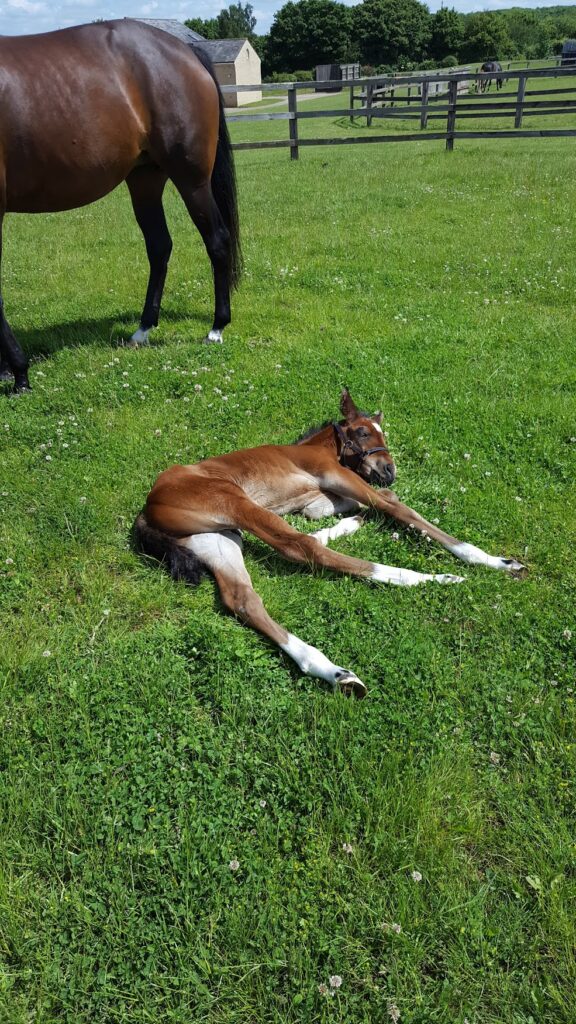
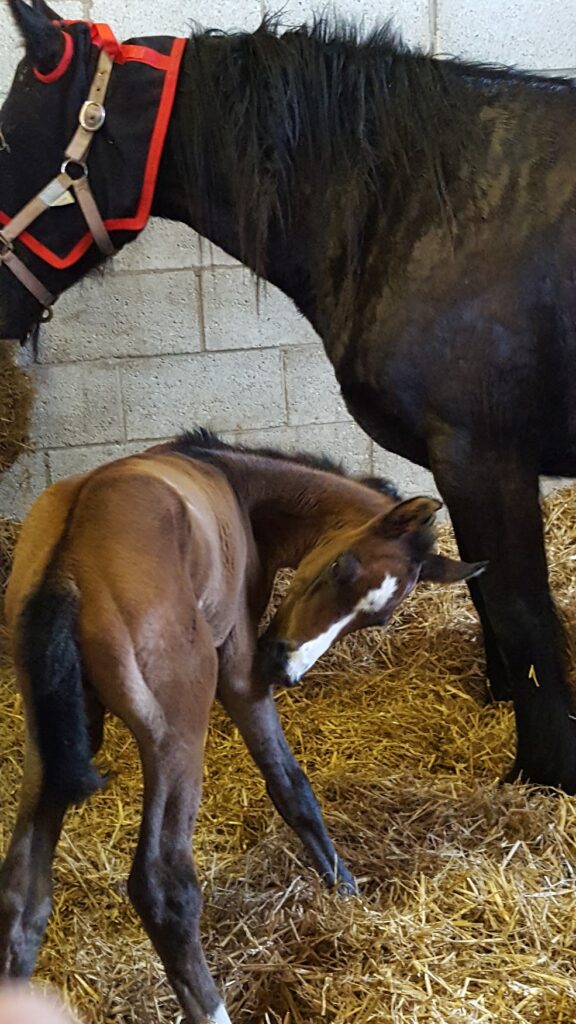
We are getting to the time of year where posts begin to start about breeding plans for next year. It is one of the most beautiful pictures: a warm spring morning, a content mare grazing, and a leggy, perfect foal sleeping in the grass beside her. If you own a mare you adore, it is incredibly easy to let your heart take over. You start thinking about continuing her bloodline, creating your next dream riding partner. Or giving her a “purpose” if she has been retired from work.

But as an equine scientist and former stud manager, I have to ask you to hit the pause button. Before you look at stallion catalogues or call the AI vet, we need to talk about the side of breeding that social media doesn’t show. We need to talk about the cold, hard veterinary risks.

300 Foalings and the Realities of the Night Watch

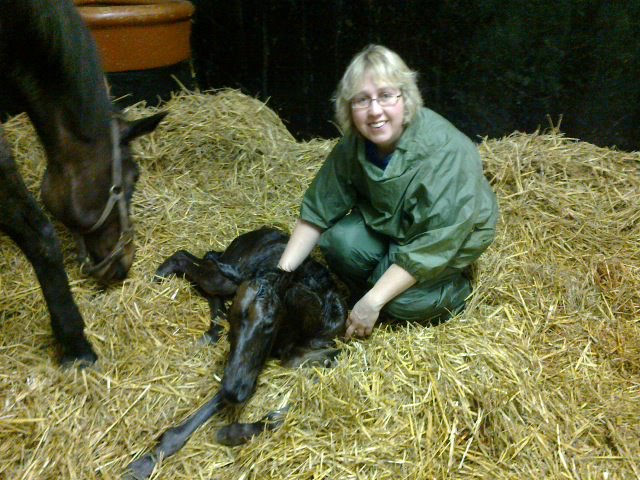
I didn’t learn about breeding just from text books while studying for my BSc (Hons) in Equine Science. Over the past 20 years, I have foaled down over 300 mares. When you manage that volume of births, you see the full spectrum of equine reproduction. You see the miracles, but you also see every complication in the veterinary handbook. And quite a few that aren’t in the books, because experienced stud managers often have to fix them in the straw at 3:00 AM without a vet on hand.

From managing complex fostering where a mare has rejected a foal or a foal has been left orphaned. To delivering severely deformed but living foals that required immediate, heartbreaking euthanasia moments after birth to prevent suffering. Especially as that happened in front of students we teaching once.

I don’t say this to scare you for the sake of it. I say it because if you choose to breed your mare, you are stepping out of the role of a rider and into the role of a breeder. And the very first rule of breeding is understanding that you are putting your beloved horse’s life on the line.

The Injury Trap: “She’s Lame, Let’s Breed Her”

One of the most common phrases I have heard on livery yards is, “She’s got a chronic tendon injury/navicular/bad hocks and can’t be ridden anymore, so I’m going to breed from her.” It sounds like a logical solution to keep a retired mare useful, but from a biomechanical and scientific standpoint, it can be a disaster.

Carrying a foal is a massive physical endurance test. In the final trimester, a mare is carrying an extra 50 to 60 kilograms of weight. This doesn’t just add a heavy load; it completely shifts her center of gravity, altering how weight is distributed across her legs.

An old ligament or joint injury that is perfectly manageable when she is living a quiet life in the field can suddenly become an excruciating source of pain under the mechanical stress of late-term pregnancy. If her hind legs or back are compromised, the physical toll of labor itself can cause severe flare-ups or permanent damage. Before you breed, you have to ask yourself: Is her body genuinely strong enough to act as an incubator for 11 months?

The Emotional Toll of the Unexpected

When you breed your own horse, the emotional stakes are infinitely higher than they are for a commercial stud manager. If a commercial stud loses a mare, it is a tragic financial and operational blow. If you lose your mare, you have lost your best friend, your partner, and a family member.

The emotional toll of breeding isn’t just about the risk of losing the mare. It’s being prepared for the heartbreaking grey areas in between:

  • The Rejection: What happens if your mare survives, but completely rejects the foal? It happens. Managing a violent or aggressive mare who refuses to let her own foal nurse requires intense, round-the-clock intervention. It can completely change how you view your horse.
  • The Foster Journey: If you lose the mare but save the foal, you are immediately thrust into the exhausting, high-stakes world of finding a foster mare or hand-rearing an orphan, a process that involves feeding every two hours, day and night.
  • The Hardest Calls: Delivering a foal with severe, non-viable deformities that is technically alive but cannot survive is an incredibly heavy experience. Standing in the straw making the call to euthanize a newborn is a core memory you do not want. But it is a reality of the breeding shed.

Before you take the leap, you have to look past the dream of the fluffy foal and ask yourself the hardest question of all. If things go wrong, am I emotionally and financially prepared to deal with the fallout?

The Pre-Breeding Audit: Is Your Mare Truly a Candidate?

Before you book the stallion, print out this checklist and answer these four questions with total honesty. If you can’t firmly check “Yes” to all of them, your heart might be overriding the science.

  • Is she physically sound without medication? If your mare relies on daily anti-inflammatories or careful management just to stay pasture-sound due to an old injury, her body cannot safely support the massive structural shift and extra weight of late-term pregnancy.
  • Does she have an excellent, proven temperament? Temperament has a huge genetic component. Beyond that, a high-strung, anxious, or aggressive mare is statistically much more likely to struggle with the stress of foaling. This can lead to dangerous handling situations or foal rejection.
  • Do you have an emergency veterinary fund ready? Equine reproduction can get expensive fast. If your mare needs a dynamic c-section, handles a severe dystocia, or the foal requires intensive care for neonatal maladjustment (dummy foal syndrome), veterinary bills can easily spiral into thousands within 48 hours.
  • Are you emotionally prepared for the worst-case scenario? If the answer to “Would I be okay if I lost my mare but kept the foal?” is a definitive no, then the risk of breeding your personal heart-horse is simply too high.

The Bottom Line

Breeding is a gamble where nature always holds the cards. If you have an exceptional mare who is physically robust, mentally stable, and you have the financial and emotional backing to handle whatever happens at 3:00 AM, it can be an incredibly rewarding journey. But if you are doing it just because she’s lame, or because you want a carbon copy of her, the science says it’s time to reconsider.

If you do decided to proceed, I recommend that you invest in my book that I wrote a number of years ago now – https://amzn.eu/d/0e4hAVfY . I do have some resources free to view on my YouTube channel which are worth a look. Or sign up to my foaling course HERE

Half Time – Where has the year gone?!

It only seemed like yesterday when I wrote that last blog. Now we are in June – half the year is over and I am wondering where did it go!

I don’t feel like I’ve achieved much at all but then, in a way, I have. Selling Rosie left a huge hole in my life that has been filled with lots of other stuff. Mostly tasks that I’ve probably been avoiding but really needed to sort out. I also needed time to adjust and find myself again. I’ve tried a few things, some successful, some not.

What went right

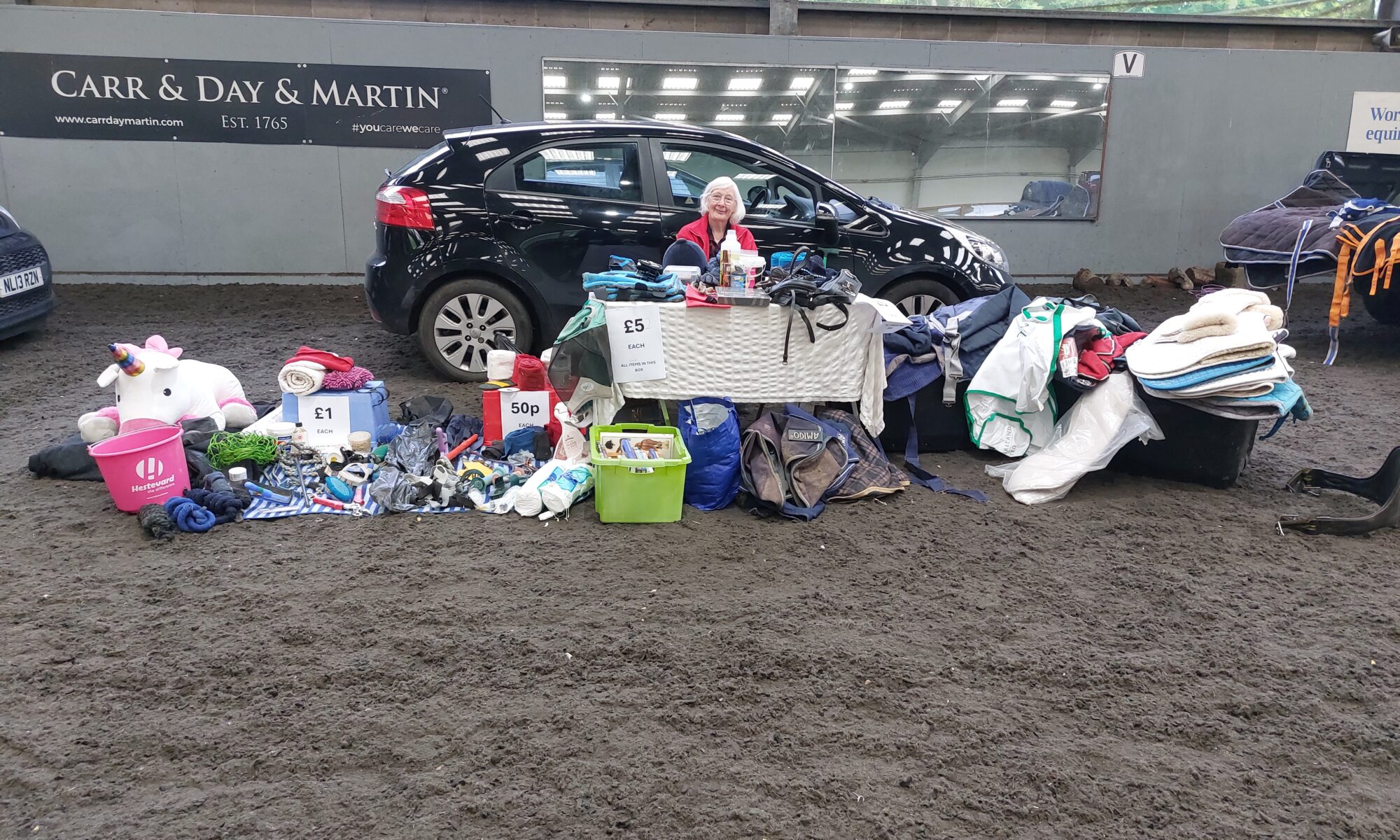
I’m trying to put a transformative spin on this new era of my life and look more at the positives. So what has gone right? Well, I’ve made a whole load of money on selling my old horse gear and have loads more to sell. This has in turn funded stuff in my life that is essential, like finishing the house renovation. So, from something a little sad and I will not lie, I cried at the Tack Sales. I’ve turned it into a positive with what I have done with that released cash.

On the subject of house renovations, I’m nearly finished on that. I went through all my boxes that I have dragged from various stud farms over the years when I working and living on site and was brutal. Do I really need that loading list from Darley in 2003? The answer is NO! This has been a bit cathartic and like all hoarding addictions could not be rushed but it was time. I was ready to let go. The worst bit was chucking out all my dressage test sheets. 20 years worth – but why would I need them? Beyond the ones I’d need to prove qualifications, I rarely looked at them. Besides, most of the BD results are online (although they never used to record the Prelim results but never mind).

I’ve also got a firm plan now for where I want to take all of this and that is good. Finding your niche is hard and being in the Equestrian content space when you don’t have a horse is difficult. But then it also is not. I still owned horses for 30 years. I worked professionally with them for 20 years and have a huge amount of knowledge to pass on. Which is what I want to do. In this world of paid advertising and ‘influencers’ with no real experience beyond what they’ve been gifted, there is space for authentic real horse care knowledge. It just grows a little slower.

What went wrong

Firstly, I am trying to look at the positives in everything. It doesn’t go wrong, it just doesn’t work out like I thought it would. From every disappointment there is a learning. One of which was my new website – it landed ok but what I realised was that I have spent years building Adventures in Black and White and actually that is a good trusted resource. Trying to start another is time consuming and unlikely to be a successful. So the content from that will come over here and begrudgingly I will be monetizing this website.

I had not wanted to run ads on here but since I’ve lost my main source of extra income that pays for all of this, then I need something to replace that. For the meanwhile running Adsense will help a bit once I get it going again. I can also minimise the impact of this on you, the readers.

As I touched on, I’ve lost income sources and my current job is not the best paid at all. But there is not much I can do to change that at the moment and looking for additional paid work is not really an option either aside from my usual side quests. So I need to work a bit smarter with what I have got.

Looking Forwards

Looking forwards to the rest of the year, I hope to be blogging more again, sharing my reviews and experiences, producing videos and finishing at least two of my books that currently in the draft process.

When I’m not doing this, I am enjoying a different life. I never realised just how much we have around us – so taking a break from the grind of struggling to pay for a horse has had its benefits – even if I do miss it from time to time.

A Change of Direction

It’s all been a bit quiet here at Adventures in Black and White and to be honest it’s because of a huge life change. After being 100% about horses for 30 years, there are now no more horses. The change in direction has been brewing for some time. So what’s going on and why?

Firstly, I have not given up horses altogether. I am very much involved in the horse world. Most simply, I no longer own a horse. This is a weird concept as I’ve been with horse, since I was 17. But life has changed, the world has changed and all of sudden I’ve had to face up to the fact that I won’t be able to achieve my dreams on my budget. It is sad but it is true.

I outline the ins and outs here –

What next?

For this page and my channels, I hope to still bring you the same sort of content you have always enjoyed. To share my love and extensive knowledge. On a real life level, I am still grooming for my usual clients and that is something I won’t change. I’ve had a lifetime of horsing and in this current world of fake news and AI content, I think there is a place for realness.

The podcast might make a return but that is going to take time as it is such a huge drain on my resources. In the meantime I’m focusing my efforts on books, a new website venture and reselling.

I have so much of my old stuff to sell, that is going to take my time up over the next few months but hopefully that will help fund my other projects. If you think that I might have something you want then contact me on my socials!

The New Website

That is still very much a project but will be launched soon. Going back to what I said about a sense of reality in these times of AI and fake news, I am putting together a site to honestly review equestrian products, real reviews from real equestrians. I do think that this is going to be a great resource, so look out for that.

More from me

I really enjoy my writing and have been going on Amazon for a while now. My current best seller is my foaling book, and I have half written another book that would sit well with that. So putting this here now to make me get that finished. Got to love a bit of accountability.

Also on the writing front, there will be a few other ideas that I’ve got that I hope to bring into real life. I have said before that my other biggest seller is my horsey puzzle book. I will definitely be producing another one of those. It’s a slow, laborious project but it is worth the pay off so we’ll see where that goes.

I also have a few light hearted ideas that I will be looking at too.

What Next

So with all that good stuff planned, I do want to get back on a horse at some point. I last rode at Rosie’s vetting. I just can’t get past that point at the moment, but I have had a few offers and once the weather picks up, I am sure that I will be back on board.

This blog will be a mix of what I’ve up to, topical matters and general horsey chit chat. So please do follow along on here and on socials. I’ve not given up, just redirected.

R

Lets Talk Horse Insurance

Welcome back to the blog and this is one that has been much discussed on Instagram and in my DMs amongst followers so I thought it would make a good topic to discuss. So let’s talk about horse insurance, the options and what I have.

Do you need Horse Insurance?

I have always had my horses insured and over the years, I have had all sorts of policies from full insurance including loss of use to just public liability. The level of insurance has depended on what the horses are doing, their past injuries and current work status. As a pure basic, you should have a level of public liability. This covers your legal cost should your horse injure someone else and is an absolute must – a friend of mine was sued for 5 million after her horses were let out on to a road and caused an accident which caused a car driver to become paralysed, she also sadly lost one of those horses. Thankfully she held public liability insurance and so she did not need to worry about the liability claim as that was covered by her insurance company.

After public liability then it can get more complicated. There are many options out there and it is best to ring round different companies or fill in some forms on insurance websites to find the best value for you. If you are competing affiliated this can make a difference to the type of cover you need. Also, if you ride other people’s horses and need cover for that, there are specific policies available.

What Horse Insurance do I have?

I am currently holding my public liability and personal accident cover through my Harry Hall Gold Plus Membership and then I have Vet Fees for up to £3000 – this covers accidental damage to Rosie – in total this comes to under £300 a year. I was previously with another company with similar cover but none of the added benefits being a Harry Hall One Club Member for over £500. So, this gives a similar cover with better benefits and more affordable.

When I bought Rosie, I did shop around for quotes but as she was unbroken and had not been vetted – which I saw little point in as she was not broken so we could not do the vetting that many of the insurance companies wanted – this was a little difficult. A lot of companies couldn’t understand how a 5-year-old horse had no vet history and was not broken in! Those that would cover her, were quoting £1500 for the most basic of cover and a whole load of exclusions if I didn’t pay a further £500 for a vetting.

So given I had a huge outstanding vet bill from Stormy, I took this option. I wanted Rosie to be covered if she got herself injured in the field or out on the road but did not need the higher-level cover as she was not yet broken in. Also, as my monthly payments were so low, I started a Rosie bank account, putting away what I could each month for vet bills, whether they be routine jabs or more complex work. This is also why I have not taken out a more complex policy now Rosie is broken in, which I will come on to next.

Pick the Horse Insurance that works for you

My biggest tip would be to pick the insurance that works for you. I am competing on a budget but I do have a background in rehab so I know to a certain extent what I can deal with. Rosie did get injured right around renewal time which was typical, but I did not worry. I could not make a claim as her injury was a not under the accidental damage policy, however the money that I’d saved over the year meant that her vets bills were covered. In fact, her vet bill came to less than what it would have cost me to pay out in insurance if she had a full vet fees policy and not the accidental damage one with Harry Hall. So, I saved money!

To compare the various companies offering accidental damage, I made myself a table with the following three companies. I have had a good relationship with KBIS but it was quite eye opening to see the difference in cover offered.

 Harry HallKBISSEIB
Level of Vets Fees per annum£3,000£7,500£3,000 (up to £1,500 per incident)
Excess£165140£165
Public Liability£10 MillionNone (added extra)£2 Million
Vetting required?NoNoNo
Cost£288Just under £500+£240
(values correct as of October 2024)

+ does not include public liability or death & straying etc – this can be added on for extra

Why I won’t ever insure for Loss of Use again

Talk about items you do not need; I feel I should touch on Loss of Use. I did have this cover on Murphy for years – ironically enough the year he suffered his career ending injury was the year we did not have him covered as he was off competing with his Para rider. However, from experience of others, I had seen that getting what you think the horse is worth is actually very hard. It is even harder if you own a mare because even if she cannot have a career as a riding horse, she could become a broodmare and so the pay out is usually a lot lower. If you do want to have loss of use cover, be prepared that your insurance company will want you to explore every treatment possible before paying out and that may mean that you end up out of pocket.

Colic Cover

One of the biggest veterinary expenses any owner can face is colic and colic surgery. Harry Hall offers a standalone policy that you can add to your horses to cover this awful situation and give you peace of mind. They cover up to £5000 for horse under the age of 15 years which is competitive within the industry.

Most companies now do offer this as an add on which I think it a good idea. Especially on policies with a lower vet fee cover. It also gives you the flexibility to decide what you want to do. I have already decided that I would most likely not put Rosie through a colic operation as I do not think she would cope with the rehab, so I do not have that in my cover.

Some cover is better than no cover

In these times of rising bills, horse insurance is one essential that you should not skrimp on. Choose wisely and be very mindful of hidden extras. Harry Hall have been very good at giving clear documents on what is covered and partnered with their fantastic club membership I would definitely recommend them to any rider or horse owner.  You do not just get insurance, you also get

  • Free Legal Helpline
  • Savings on the Harry Hall App and exclusive member only discounts
  • Free delivery and returns
  • Save on tickets and subscriptions with their partners

And much more, if you are interested in joining the Harry Hall One Club and getting great deals on horse insurance and much more then please click on my link below.

(I get a small reward for every sign up which will help with the Rosie fund)

Ups and downs of 2024

Friends

I always seem to be saying I’ll be more on the ball and to be honest it’s been a proper rubbish year for me so I’m trying to give myself a bit of a break. To be honest I don’t really want to go into it too much but losing my nan, my job and Rosie going lame was tough. However, I think that it’s beginning to turn a corner now and there has been so much positive to look back on.

Time to refocus

It’s always a good thing to check in what you are doing and ask a few questions:

  • What’s going well?
  • What is not going well?
  • Why?
  • What can we do better?
  • What is a more productive use of time?

I’ve now settled into my new job, I’ve nearly finished one of my big projects, with another book getting closer to completion. I will be vlogging about those soon.

The horse comes first

As ever, this page is about my horses and our journey. Rosie’s story this year has not been that easy and I think that’s why I’ve not necessarily been so on the ball. Rosie getting injured was not a great start to April and since then I have been focusing on getting her right. It’s still a long road ahead but at least now I am riding her and we are getting out competing.

As you will has seen Rosie has been out showing and this has been great for us both. As education for her and ‘scratching’ that competing itch for me. Rosie is also pretty good at it so it’s proving very satisfying.

I’ll leave with this gorgeous photo of Rosie, I think I’ve got another very photogenic horse again. My wallet it always a bit lighter after being out. Thanks to Fae Loudoun for the fantastic photos from the day

3 Tips for Training a Young Horse

I was prompted to write this blog on reflecting on my first winter with Rosie. Having not had a truly ‘young’ horse for around 15 years. I don’t really count Stormy as a young horse as she was an ex-racer with plenty of life experience despite being relatively young in years. These 3 tips for training a young horse are not only for first time owners but also to remind all of us that youngsters are not easy. However the rewards are worth it!

Tip 1: Not all horses are the same

Young horses develop at varying rates, so what one horse is achieving at 4 years old might be very different to what your horse is doing. This depends greatly on how they were raised and a lot to do with their growth rate. Rosie was virtually unhandled as a four year old, she had some basic knowledge of what humans were but pretty much all she knew was how to lead, how to tie up and to pick her feet up. So it would be very unfair to compare her to a horse that has been produced to show as youngster or gone through the grading system.

This horse is the same age as Rosie, but he’s firstly a different breed, he’s ridden by Charlotte Dujardin and in a very different environment from Rosie. Be kind to yourself and don’t compare your own young horse to others.

Credit CDJ Facebook page

This is Rosie, still showing a good hindleg but nowhere near the level of collection that the other horse has. But to be frank, we have different goals. I want a forever horse and if I pushed her at this stage then I would not have that.

Tip 2: Progress is not linear

I have to constantly remind myself that with good days, come bad days. Rosie is very much a generally good horse but that is not to say that she will always be good. She will at some points plateau and need a break to take on board what she has learnt. Or rest so that her body can adjust to the new challenges. Training a young horse is as much about listening to their changing needs, as it is teaching them new skills.

I would recommend keeping some form of journal/diary on the day to day. I am constantly evolving my range to better suit riders and owners needs. Please do have a look at them – HERE

Tip 3: It’s ok to ask for help

It is always ok to ask for help, especially if you are not experienced with youngsters. Our most important job when training a young horse is to give them the tools to be a good equine. To be pleasant to be around. This will help them if you ever have to pass them on to someone else. A nice horse is much easier to sell or rehome, than one that is quirky.

I accepted that, whilst I had the skills to do the training with Rosie, that I did not have the time, help or facilities for backing her. So I sent her away to Sophie Chatwin, a local dressage rider who offers this service. This meant that the whole process went very well for her. Resulting in her starting her career with no hang ups about being ridden.

To the Future!

I hope you’ve enjoyed my 3 tips for training a young horse. This site is aimed at trying to show the real side of owning and training horses from an amateur level. I am really enjoying the process of training a youngster again, with the knowledge and experience that all of those that went before her have given me. So I hope that you are enjoying coming along on the journey.

Follow along on here Facebook, Instagram and YouTube.

Welcome to 2024!

Welcome to 2024 – As per usual it’s been a bit of a tough winter. I won’t lie, I hate winter and this one has just seemed to be the worst. January literally has been a write off. So here we are in February 2024.

Hopes for 2024

I’ve been working hard behind the scenes with my plans and I am now happy to share my hopes. Having a youngster is very much a fluid process and so I am being led by Rosie and let her show me what she is ready for. Some of which include:

  • Be solid at Prelim by the end of the year
  • Be confident over a small jump
  • Confidently hacking both in company and on her own.
  • Go on hound exercise with the Nar Valley Bloodhounds or the Cambridge Uni Drag.

Plans away from horses

Last year, I met the best bunch of people last year at Silverstone F1 and I am hoping to get out with them this year. I think it’s important when horses can be so soul destroying with their injuries that there is something else to look forward to that is not dependant on them. Silverstone won’t be documented on here but if you want to see it, then pop over to my Instagram.

I also have some career goals this year but we will have to see how that pans out!

Horse Goals for 2024

I’ve talked about my hopes for 2024, but my horse goals are a bit more focused so I will be doing a YouTube video on that soon. With goals it is very important to make them achievable and measurable. I’ve written in detail about this before – here.

First up is getting back on Rosie after her break, then I’m going to be getting ready for BD Camp over Easter at Forest Edge. This will be Rosie’s first stay away and experience of life to come. After that I’d like to get her out to some polework clinics and general fun stuff. Maybe even some showing!

Equestrian Business Goals

I have been looking into how to monetize my content better and I am working on updating my ever popular journals. All the while I do need to keep in mind that I am now on the threshold for submitting the dreaded tax return and last year that was expensive! So I need to do better on getting that bit saved and make even more money so that my bits are worth while doing! It seems mad that just trying to get yourself some spare money can end up costing you so much! To help with this I will be looking into the affiliate marketing side of things whilst not ruining this website as I don’t want wall to wall ads, improving my journals and offering additional services.

What Next?

So that is my Welcome to 2024, in true Adventures in Black and White style, it’s been a bit unexpected! Look out for my YouTube videos, journal updates and more blog content.

10 Years of YouTube

It’s hard to believe but today marks 10 years of YouTube for Adventures in Black and White. No we are not anywhere near the mythical 1000 subscribers but that was not really the aim at the beginning. My channel was born out of just messing about and sharing videos of Dressage Tests. Surprisingly the videos of dressage tests from various angles, are still what gets the most views on YouTube for me, but then as I mostly used YouTube at the start to learn dressage tests then that makes sense!

My First Videos

My very first video is one to similar to most of us around that time, some grainy video of me going round a cross country course from a field away….

I then moved onto videos of my tests and the odd random video. I’d got a hat cam for riding on the road, I had an early smart phone and an interesting job. With some basic video editing skills, I started to put it together into something a bit more polished. This is one of my favourites…..

YouTube 2014 to 2020

Over the next six years, I posted pretty much every competition video, just the test or round and that was that. This has actually yielded some of my highest viewed videos. As I touched on earlier, I use YouTube to learn dressage tests, as do a lot of people. So it makes sense that even today, my competition videos do well.

My highest watched video of all time is one of these, with 2.8k views, Nickel’s Novice Freestyle at Bury Farm Festival of Dressage is a out and out winner. I’m glad in a way as I love this video. I have had friends say that they’ve searched for a dressage test to watch on YouTube and it has suggested one of mine which has cheered them up.

2020 Changing times on YouTube

We all know what happened in 2020, it also was the year that Nickel retired himself and I was enjoying my growing channel so inspired by others, thought if I can’t do competitions, I’d start to do tutorials. This shift is still in progress and goes through phases. Mostly because I’ve had a huge rollercoaster of horse related dramas. I sit here today with hours of video of Stormy that I could put up but I feel still sad about it. I’m sure that no one would really notice but to me, it’s just a bit distasteful at the moment. But equally it seems a shame to not use it.

As I wasn’t competing, I invested in some new tech, one piece being my Pivo, which I reviewed on this blog. This has helped me hugely as someone who is usually on my own. The Pivo is great for me to monitor my own training, when I can’t get to my trainer. It also it vital now for helping with my YouTube videos. My tutorials now are more popular than my dressage videos and definitely an area I will keep up with.

Hopes, Goals and Dreams for YouTube

YouTube is a fickle beast and as per usual, I suspect if I ever do get to that mythical 1000 subscribers, I doubt I will get much from it. However it has already proven useful to help promote my skills and services, so it is useful. I also really enjoy doing it!

I’ve now settled into a nice set of videos, of Educating Rose, Tutorials and once she’s out competing the competition videos will be back. I really do enjoy the tutorials as it gives me an outlet for teaching when I can’t do it in real life and the feedback I’ve got is lovely.

That said, I really do want to get to 1000 subscribers, I’m not far off that on Instagram so surely some of those can come over to YouTube. So if you are reading this and haven’t done already, please do subscribe, it costs nothing, you won’t get a million notifications and you might see something that makes you smile! Here’s to 10 years more on YouTube.