Clipping: Everything you were afraid to ask

I’m on a roll at the moment, and enjoying sharing all my useful knowledge with you. Hopefully you’ve checked out my handy winter prep sheets and headed over to YouTube for the tutorials on there.

Today, I want to focus on clipping. I’ve been doing a little series on YouTube and thought that it would be a great winter topic for the blog , so here we are.

Getting the basics right

The first time I clipped a horse from start to finish at work, I was handed a set of clippers and told to crack on. I had clipped horses before so was confident in that respect. What I hadn’t ever done was set the clippers up. Someone had always done that, then let me have a go. It’s something that you can read about but unless you actually have watched someone do it and taken note of what they do then it can be daunting.

I was worried that I had put the clippers together wrong, that I had over tightened the blades, was I even putting the oil in the right holes. All of these questions are answered in this video that I have made to make clipping a horse for the first time on your own much easier and less stressful.

Which clip is best for a beginner?

Clipping over time has become less stuffy than it was back when I started clipping horses. People are now much more happy to do a clip that suits there horse, rather than follow fashion. And I am all in favour of this, just because sometimes doing something that does not feature in the usual clipping lines actually is really good for your horse. You should base the clip you want to do on the following 3 factors:

  • Level of work the horse is in
  • Body condition of the horse
  • Environment the horse is kept in

Giving a horse that lives out 24/7 with no shelter that does not keep weight on well and is only going for hacks at the weekend a full clip because it looks cool is not in the best interest of that horse’s welfare.

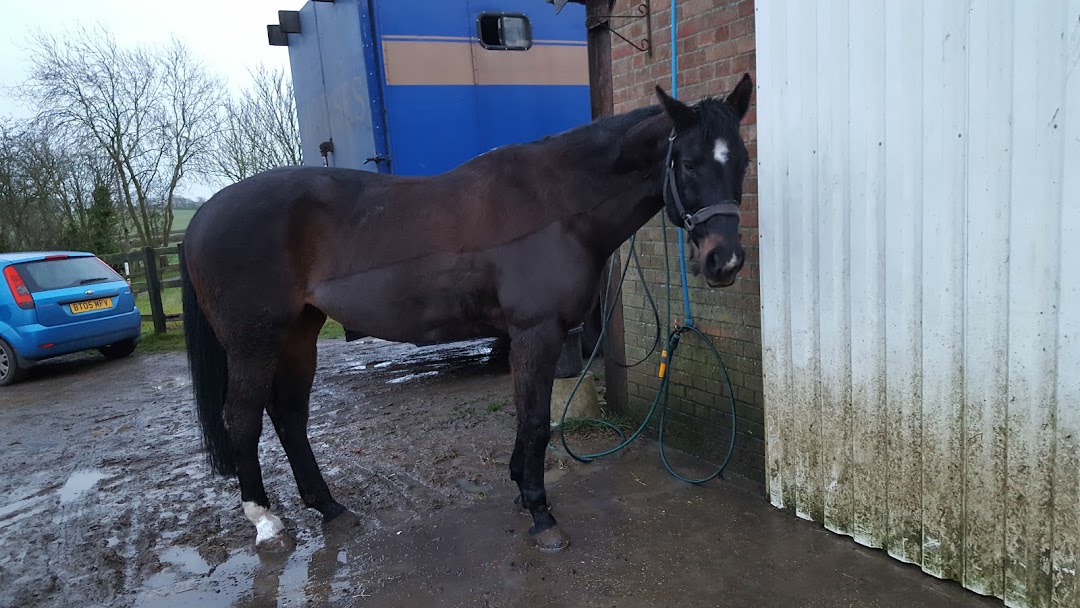
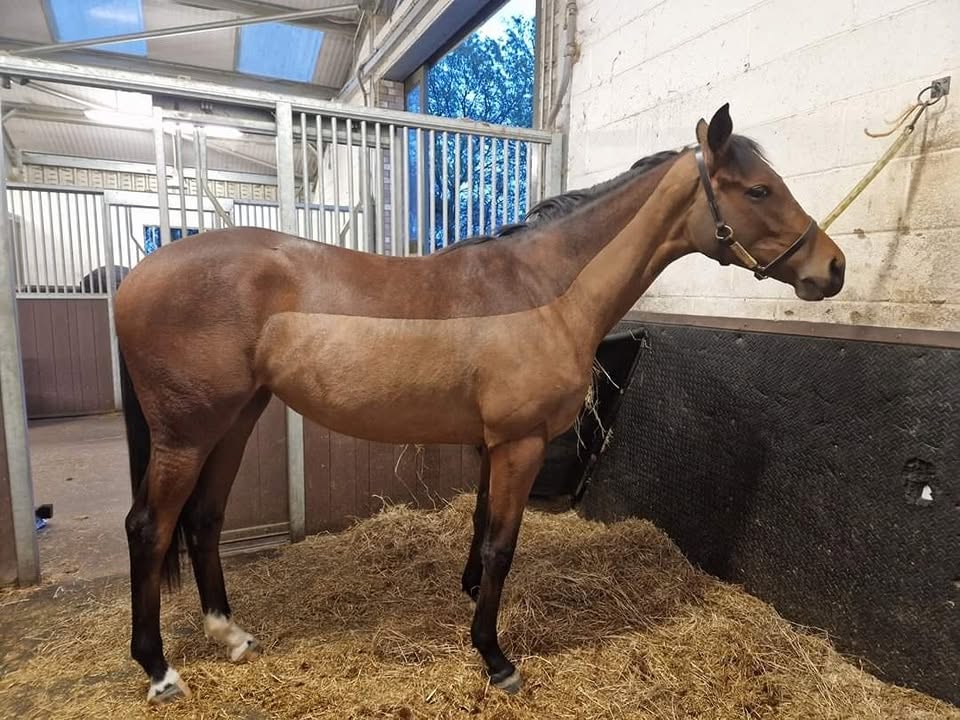
I have at time also adapted traditional clips to a look that is better for that horse, especially with young Thoroughbreds. The rise of the yearling clip which enables you to clip most of the hair off without risking getting kicked in the head and leaves enough hair on to help riders on those fresh winter mornings is actually a great idea (see below)
Keep it simple!

When attempting to clip for the first time I have two clips that I would recommend – either a trace type clip or a hunter. These are relative easy and don’t take too much time. The trace is a bit harder as you will have to do lines but you start from in front of your horse’s stifle or even their girth area and draw a line up to their ears. If you don’t get it even both sides, it won’t show too much. Even easier is to do a hunter clip if your horse is good to clip and in full work. Clipping all the hair off in one go is much easier than fiddling about with lines!

Clippings tips that no one ever tells you

Clipping is something that really does just take lots of practice, getting it wrong, getting hair in places you don’t want to and thinking ‘oh well, it will grow out’. If you keep in mind the difference between a good clip and bad one is just two weeks, then you will be half way there.

I do have some tips that I wished I’d been told sooner:

  • Wash your horse before – a clean coat is easier on the blades and gives a smoother finish.
  • Wear overalls – Future you will thank you when you’re not finding hair in your underwear for weeks afterwards.
  • Have multiple sets of blades – swapping hot blades for cool ones makes the whole job quicker.
  • and use baby wipes – they are brilliant for getting clipped hair off your horse, your hands and your face.

In this video, I show you why:

https://youtu.be/lOEQeEuQvcw

Not sure which clip suits your horse or want a second pair of eyes?

Every horse is different, and it can be hard to know which clip to choose or how to get through winter without it all feeling overwhelming. If you’d like some personal advice, you can book a £10 call with me to talk through your horse, their workload and what they need this winter. I also offer consultations on horse care, rehabilitation and retraining, breeding and foaling, and confidence.

Come and join me live on Wednesday

I’m going live on Facebook on Wednesday 18 November at 7pm, and I’d love you to join me. Bring your questions and I’ll answer as many as I can.

More help for your winter

  • Grab my free winter prep sheets if you haven’t already: Here
  • My book, The Simple Guide to Horse Care, covers everyday care in one place: https://amzn.eu/d/0eEQvdbR

I hope you’ve enjoyed this blog, which brings together the work behind the YouTube series. If you’d like to see more tutorials like these, let me know in the comments or send me a message. And if you’ve found it useful, please subscribe and give the videos a like, as it really does help me.

Happy clipping!
First Winter Essentials

So you bought your horse in the spring or summer and had a great time over summer with the glorious hot weather. But now it’s definitely getting that bit colder. You might have seen my blog from last week and downloaded my check list – if you haven’t go back and have a look.

I’ve put together this help blog for you to understand what are your first winter essentials. I have made all the mistakes so you don’t have to. I really want to help you also so I’ve produced another freebie for you to download for free, no email sign up needed. Click the link below

Winter Essentials for the Owner

While your horse is the most important, making your life as easy as possible is essential for winter survival. First thing is you need give yourself a break! Don’t worry if you look like a homeless person for most of the time as function over fashion will definitely become your main aim!

My top five items for winter survival for you are:

  • Head Torch – my go to would be one that is rechargeable, most come with a handy USB charger that you plug in your car to charge on the way too and from the yard. This one is good starting point.
  • Gloves – you can never have too many. I recommend getting a pack of these work gloves and keeping your nice riding gloves for riding/lungeing.
  • Hat- this quite personal, I prefer a beanie and have a few different ones for the different temperatures and also so if one gets wet then you have a spare while the other dries.
  • Waterproof coat – these have been the bane of my life over the last 20 years. I could never afford a big expensive coat but to be fair I don’t think that was a problem. If you like the Dry Robe or Equi Dry type coat – I’d recommend this for those on a budget. However, I mostly used ski coats like these – they fit well and don’t make you sweat!
  • Waterproof footwear – Again it’s best to have a selection, wellies are very much buy as expensive as you can or buy cheap and know you will have to replace them in a year. I also like to have a pair of short waterproof boots and love these boots.

I’ve added on links to products I’ve used. It’s purely personal taste but after working outside for work and having my own horses for 20 plus winters I feel I’ve got a good handle what works and what doesn’t!

Another tip is to keep all your gear together either in a bag or box in the car or at the yard, somewhere dry.

Winter Essential for your Horse

Next up, your horse. This is a little bit easier to get right in my opinion. Once you learn what your horse likes. For the most part mine have all been a bit soft in the winter and not been keen on the rain but also been quite ‘hot’ so don’t require heavy rugging. Even when clipped.

My top five essentials for your horse in winter are:

  • Waterproofed winter ready rugs – I’ve talked about rugs in other blogs, but now it is an essential time to make sure you have your turn out rugs ready, if you haven’t already. I try to start the season with either freshly washed and waterproofed rugs or a new one.
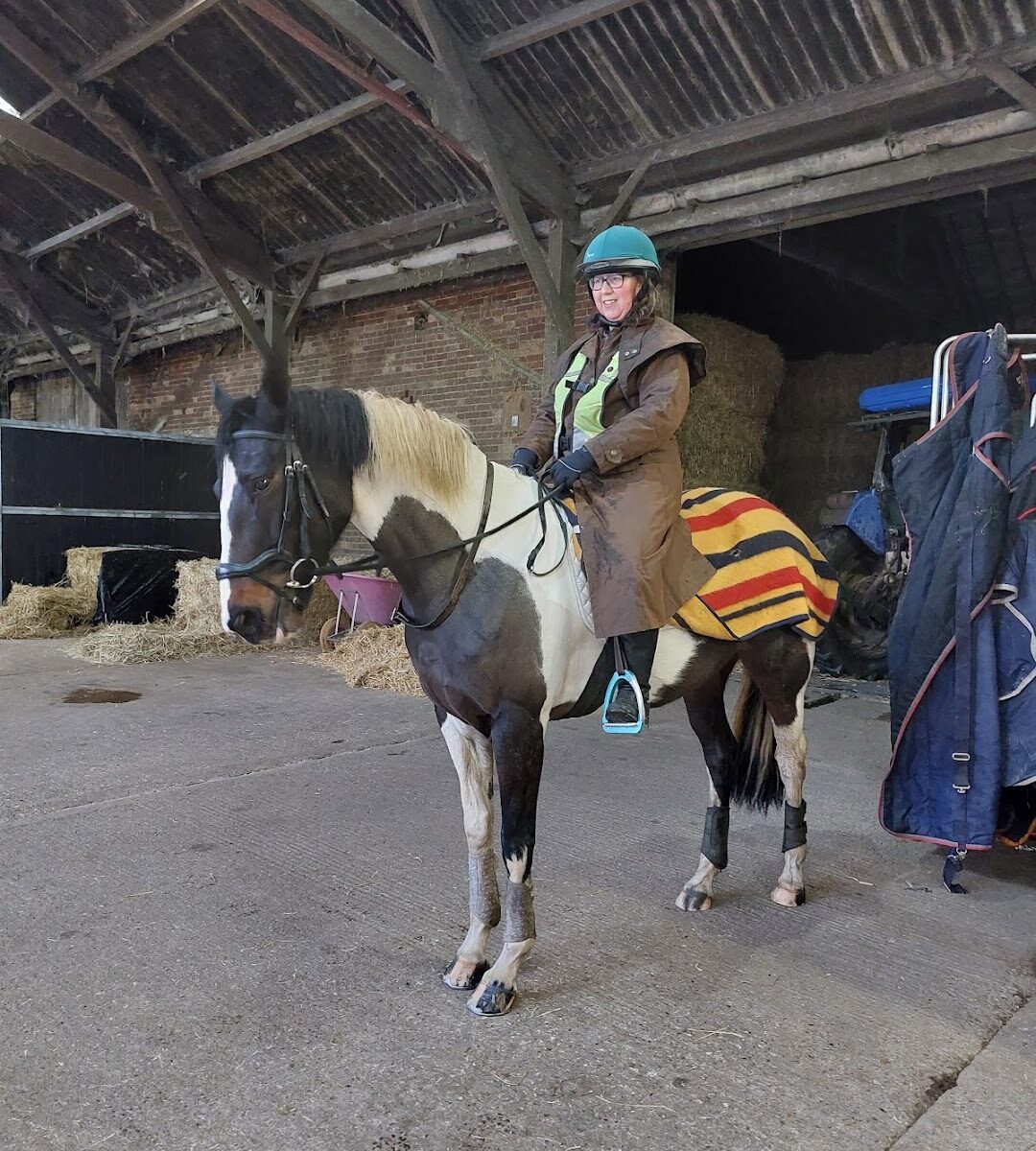
  • Exercise sheet – Essential if you are intending to ride during the winter time. I’ve always had a few but it you can only have one then I highly recommend trying to find an original Witney Wool Newmarket blanket – I’ve even written a blog about how amazing and versatile these rugs are. You can read that here.
  • Mud busting brush – this is essential for getting mud off those difficult places. Most horses tolerate it well and it’s great brush to have in your grooming kit.
  • Stable ball – I love these for any horse, especially when they are spending a bit more time in their stable over the winter time.
  • Towels – these are just your bog basic towel, but very useful for drying legs or faces when de mudding! Buy in bulk on line so you never run out of clean ones.

Winter Essentials for the Yard

Depending on whether you are on DIY, Full livery or at your own yard will have an influence on what you need for your first winter and these are a little more general than the prior two lists. I will go into more detail in the next few weeks or months. In general if you have the following five areas covered, you will be fine!

  • Enough forage for the winter or a plan on how to secure this.
  • A safe area that is covered and well lit for farrier work, grooming and taking up. Don’t panic if you don’t have this but try to make the best of what you have.
  • Stable or field mucking out tools that work best for you. I like to muck out using a specific fork, try a few if you can and then buy the one that works best for you.
  • Water supply – is this well lagged, just in case it gets cold.
  • Consider what you options are for exercise during the winter, some people do give their horses the winter off. Which is a solid plan if you don’t have the luxury of a flood lit arena, horse walker and safe, dry off road hacking.

Don’t be afraid to ask for help

Most first-time owners tell me the hardest part of winter isn’t any one job. Mostly it is the not knowing. Forums and Facebook groups are full of well-meaning tips that are contradictory and often contain factually wrong/harmful advice.

On this website there is a wealth of straight forward black and white advice that is backed from my experience as a horse owner and also running professional yards. So please do search on here for advice or over on YouTube for informative Vlogs.

In addition I offer the First Winter Chat: a 15 minute video call for £10. We’ll go through your set-up, your horse, your worries and your top priorities, so you leave knowing exactly where to start. No jargon and no judgement, just a straight-talking plan.

And if you’d like ongoing support afterwards, sign up to either of my winter packages within 7 days of your call and you’ll get a £10 discount.

  • Winter Help (£45): advice tailored to you, a video call of up to an hour each month, and WhatsApp support with replies within 48 hours.
  • Whole Winter (£120): three months of Winter Help, from 1st November to the end of January or 1st December to the end of February.

Book your First Winter Chat or email ria@adventuresinblackandwhite.co.uk.

Want the all-year basics?

The Simple Guide to Horse Care covers the day-to-day essentials in one place. It’s on Amazon: https://amzn.eu/d/09T60QcP

Next in the series

Next up is Mud Management, a must read blog for those on clay based soils. If you’d like the posts as they come out, sign up in the form at the bottom of this page.

In the meanwhile don’t forget your freebie.

My advice is based on my experience and equine science qualifications. It doesn’t replace your vet. For any health concern or emergency, call them first.

Prepping for Winter

It’s that time of year again where the nights are drawing in. And in a few weeks time the clocks will be changing (Sunday 25th October). So I am going to be putting out some helpful blogs to help you prepare for what comes next.

There will be something for all levels of experience from the first time horse owner facing their first winter to the prepping your broodmare if you are expecting a foal next year or want to get her in foal.

Don’t Panic!

Being prepared for winter gives you vital breathing space as the weather turns. It’s looking like it is going to be a wet one. Which is going to make it hard depending on your soil. I am quite glad to be horseless in one again this year as I am on heavy clay!

Before we start you would do well to read my previous winter blog which focuses on care of yourself which is vitally important. Or visit my YouTube Channel Tutorials – this one is focusing on care and exercise.

Where to Start

You don’t need to do everything at once. The best place to start is by walking around your yard with your Notes app or pen and paper asking yourself the following:

  • Lights: Do you need to think about getting extra lighting in for the winter. Are all the lights working and where is that head torch that you had last year…..
  • Stabling: If your horse is coming in for the winter are living out all summer, do you have your bedding sorted, is your stable clean ready for use.
  • Feed and Forage: Talking about bedding for winter, do you have a plan for the feed you will need and how you will get it. Have you got access to the forage you need. The hot summer has affected the supplies of hay and haylage so if you have to buy it in, then make sure your supplier can accomodate you.
  • Grazing: Think about how much grass you need over winter and whether you have that. Are you going to rest some or do you rotate to rest it fully. What about access, is it going to get super muddy?
  • Shelter: If your horses live out, is their shelter up to the winter months or do you need to do some DIY.
  • Rugs and kit: Hopefully you will have washed your rugs and bought any new ones needed in the spring sales. If not check now that you have everything all clean and ready to go. Also check the fit and condition of the clips and buckles.
  • Health Checks: Think about your farrier schedule, worming tests, routine dental work and general health check on weight and condition.

What’s coming up in the series

Over the next few weeks, I will be covering:

  • First Winter Essentials: a practical no nonsense ‘black and white’ guide for first time horse owners.
  • Mud Management: how to keep leg and feet healthy and your land in the best shape that you can during the winter months
  • Feeding during the Winter Months: essential advice on how to keep the weight on or off in the winter months, forage types and handy tips for saving time.
  • Prepping the broodmare: whether you are expecting a foal or looking to get your mare in foal, this will be a helpful blog to keep bookmarked.

If there is anything else that you’d like me to cover to be prepared for winter, then let me know. Either drop me a message on here or via my socials.

The Great Rug Dilemma: Why ‘Less is More’ When Layering Up Your Horse

We are getting to the time of year where on every livery yard all over the UK, horse owners are asking – ‘which rug are you putting on tonight?’ You have the one that is glued to the weather apps, the one that remembers the Beast from the East and the one who is just bewildered at the amount of choice on what sort of rug to use.

Walk onto almost any livery yard, open up a tack room, and you’ll likely find a staggering tower of rugs. There’s the 0g light turnout, the 50g lite-plus, the 100g middle-weight, the 150g, the 200g, the 300g heavy, the high-neck option, the detachable-hood option, the fleece, the waffle cooler, the exercise sheet, and enough under-rugs to start a small saddlery business.

It’s completely understandable! As horse owners, we want our horses to be happy, dry, and cozy. The moment the temperature dips a single degree or a cloud looms overhead, the urge to go out and buy “just one more rug” is overwhelmingly strong.

However, if my time with horses has taught me anything, it’s that simplicity often wins – for your wallet, your tack room space, and most importantly, for your horse’s natural thermoregulation.

When it comes to equines and wardrobe choices, less really is more.

The Reality of How Horses Stay Warm

Before talking about what rugs to buy, it helps to step back and look at how horses actually manage their own climate control.

Horses are surprisingly efficient self-heaters. Their digestive process (specifically the fermenting of fibre in the hindgut) works like an internal central heating system. On top of that, their coats naturally fluff up (piloerection) to trap warm air next to their skin.

When we throw an overly heavy rug onto a horse, we flatten that natural air layer. If we get the weight wrong and they overheat, they sweat. Sweat traps moisture against the skin, and once they stop moving, that trapped dampness actually makes them far colder than if they had been left with less filling in the first place!

So, how do we keep them comfortable without overcomplicating things? By stripping back the wardrobe to a few well-designed, versatile basics.

Starting from Scratch: The 2-Rug Foundation

If you are starting out with a new horse, trying to declutter your rug storage, or just want to adopt a more sensible approach to winter, you don’t need a mountain of nylon. In fact, you can start with just two good-quality rugs and build up only as you need to:

1. A Decent Lightweight Turnout (0g – 50g)

This is your ultimate year-round shield against the element. A good lightweight waterproof turnout isn’t really about warmth—it’s about protection from rain and wind.

  • Why it works: Rain-soaked fur loses its ability to trap warm air. By slipping a breathable, quality lightweight turnout over your horse on a wet, windy day, you keep their coat completely dry. Their internal heater can then do its job naturally without the rug overheating them.
  • Top tip: Invest in high-denier (1200D or higher) so it holds up against fence rubs, briars, and field-mate tugs. A durable, waterproof sheet is worth its weight in gold.
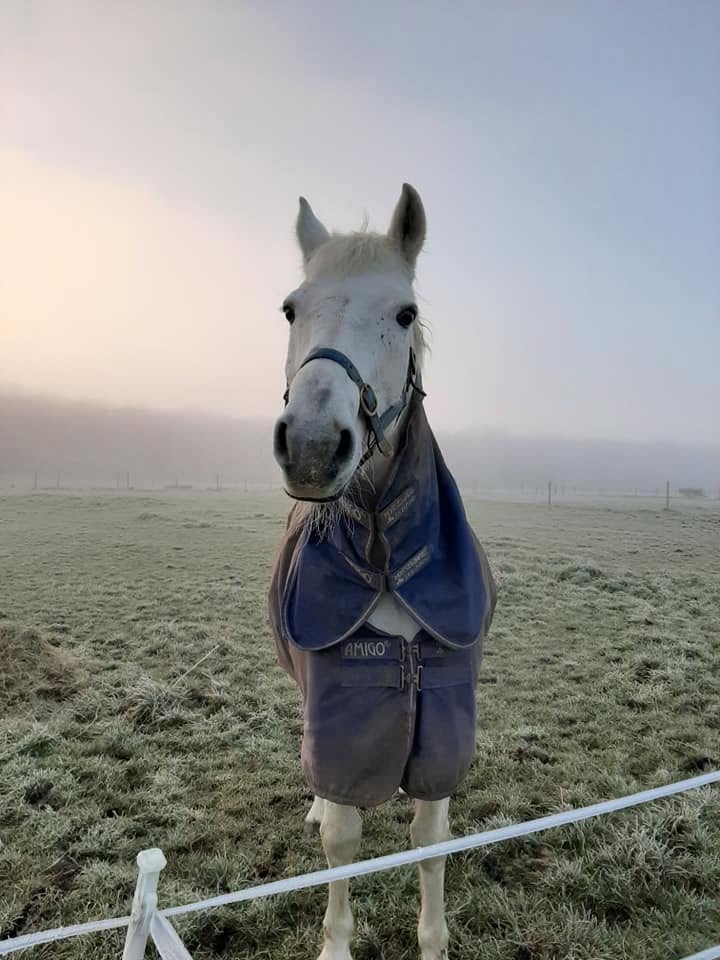
  • I personally recommend the Horseware Amigo , a great all round rug that won’t break the bank and you can layer under.

2. A Decent Medium Weight Stable Rug (approx. 200g)

When the temperature drops properly overnight or your horse is clipped and coming inside out of the wind, a medium weight stable rug provides that cozy, breathable layer of warmth.

  • Why it works: Stable environments lack the natural wind, rain, and mud of the field, but stabled horses also can’t move around as freely to generate body heat. A classic 200g stable rug offers enough insulation to keep the chill off without making them sweat in their bedding.
  • Top tip: Look for good shoulder gussets and soft lining around the chest and wither area to prevent rubs during long winter nights in the box.
  • I personally recommend the Swish Stable Rug line, they fit well and are kind on the wallet or if you want a system that works with the Amigo, then the liner that will fit this rug.

How to Expand (Without Overwhelming Your Tack Room)

Once you have your core two rugs, you’ll start to get a feel for how your horse naturally handles the seasons. Do they run hot? Are they a poor keeper who drops weight easily? Are they fully clipped or natural?

Instead of buying ten separate rugs for every minor weather tweak, you can build flexibility into your basic setup using simple layering systems or detachable necks:

  • Add a simple fleece or cooler: Placing a breathable fleece underneath your lightweight turnout quickly turns it into a light-medium layer on chilly spring mornings. Fleeces are also great for drying off a sweaty horse after a ride or keeping dust off at a competition.
  • Consider a liner system: Many modern turnout brands offer detachable liner systems (e.g., 100g or 200g inserts) that clip directly into your main turnout sheet. This lets you turn your 0g sheet into a heavy turnout in seconds, saving money and rug-rack space. Horseware do a great line of liners that I really recommend.

Trust the Feel Test (Not the Weather App)

It’s easy to look at the weather forecast in the morning, feel a chill while sipping a hot mug of tea in the kitchen, and assume your horse needs another layer. But humans feel the cold much faster than horses do!

The easiest way to check if your minimalist rugging approach is working is simple: slide your hand under the rug just behind the shoulder.

  • If it feels comfortable and warm, they are spot on.
  • If it feels cold or chilly, they might need a light layer adding.
  • If it feels hot, clammy, or damp, they are over-rugged and need stripping back.

The Takeaway

Equine marketing makes it very easy to feel like you’re failing your horse if you don’t own every rug weight under the sun. But keeping things simple reduces stress, saves money, and actually supports your horse’s health far better in the long run.

Start with two decent, well-fitting, high-quality basics. A solid lightweight turnout and a reliable medium stable rug, and go from there. Your horse (and livery yard owner) will thank you for it!

How many rugs do you currently have tucked away in your tack room or garage at home? Are you a “less is more” minimalist or an accidental collector?