

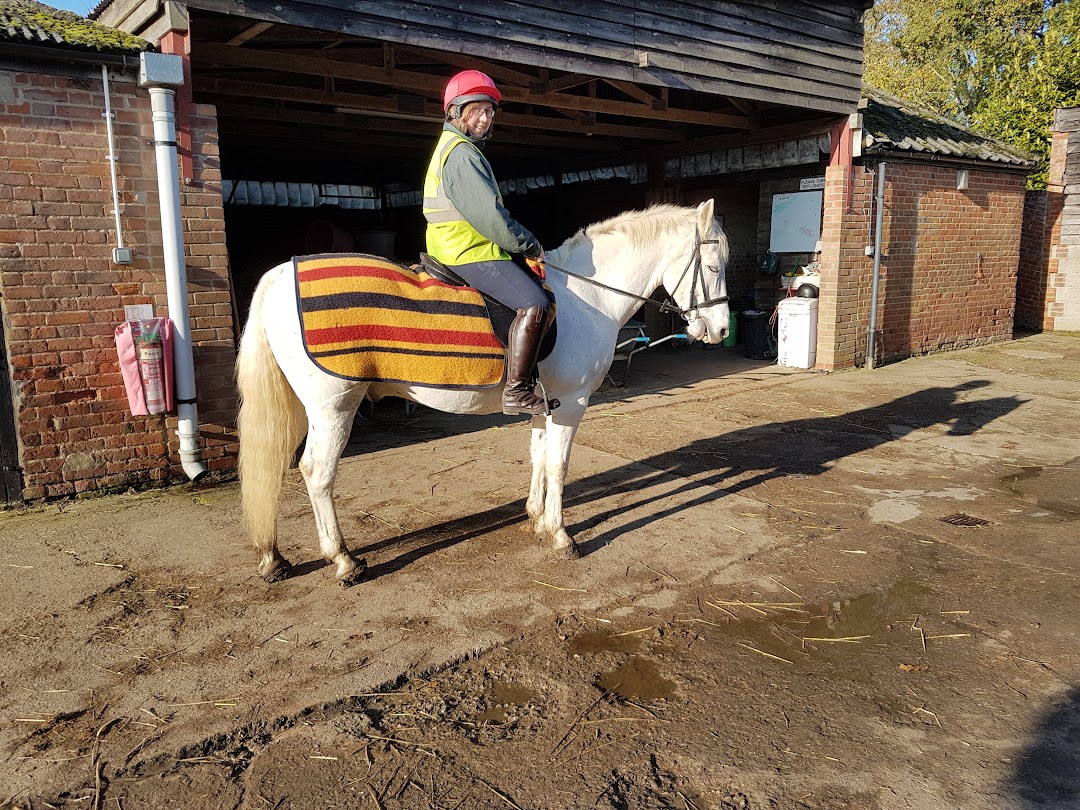
If you step into any modern tack shop or scroll through an online equine retailer, you’ll be bombarded with an overwhelming wall of neon ripstop nylon, multi-layered synthetic fill, and high-tech “wicking mesh.” We’ve been conditioned to believe that if a rug doesn’t have a dynamic waterproof rating, taped seams, and a detachable neck cover with high-tech buckles, it’s somehow failing our horses.
I’m all for science-backed management, my background in equine science means I love a good bit of technology, but when it comes to rugging, we’ve managed to overcomplicate the basics.
In our rush toward space-age synthetics, we’ve quietly sidelined some of the most versatile, hard-wearing, and performant tack room staples ever created. Top of that list? The original Newmarket blanket woven from genuine Witney Wool.
I don’t mean the acrylic, pseudo-fleece copycats sitting on the bargain rails. I mean the real deal: heavy, dense, tightly woven, traditional British wool.
Here is why true heavy wool still deserves a permanent spot in your tack room.
The Anatomy of Pure Witney Wool
To understand why a traditional Newmarket blanket performs so exceptionally well, you have to look at the raw material. Historical Witney wool blankets, traditionally crafted in Witney, Oxfordshire, were subjected to a rigorous “milling” and “raising” process. The raw wool fibers were pounded and woven so tightly together that they locked into a dense fabric, which was then brushed to create a thick, lofty nap.
When you hold a real Witney wool Newmarket blanket, the first thing you notice is the weight. It feels substantial. Unlike modern acrylic fleeces, which are effectively petroleum-based plastic knits, heavy wool operates through sheer natural thermodynamics.
Traditional Witney Wool Blanket
Dense Thermal Nap
Traps core body heat without trapping moisture.
Micro Crimp Structure
Creates natural moisture pathways allowing it to be breathable and dry.
1. Breathability: The Dynamic Moisture Regulator
The biggest flaw in modern synthetic stable rugs or fleece coolers is their binary nature. Synthetic fibers don’t absorb moisture; they rely on air movement to push steam outward. If your horse cools down rapidly under a heavy synthetic cooler, moisture gets trapped against the skin, resulting in a damp, chilled coat.
Pure wool behaves completely differently:
- Hygroscopic Action: Wool fibers can absorb up to 30% of their own weight in moisture without feeling wet to the touch.
- Self-Regulated Cooling: As a sweaty horse dries off after a session in the arena, the wool pulls the sweat away from the skin into the core of the fiber, releasing it slowly into the atmosphere as vapor.
- Zero Chill Factor: Because the surface of the wool against the horse remains dry, cold air cannot pull heat off your horse’s skin.
You can toss a heavy Witney Newmarket blanket over a hot, steaming horse after a workout, pin it at the chest with a proper brass blanket pin, and walk away. When you check on them half an hour later, the outside of the blanket will feel damp, but the horse underneath will be bone-dry, warm, and comfortable. Synthetic fleeces simply can’t match that level of moisture management.
2. Natural Water-Resistance
We’ve been led to believe that “waterproof” must mean a laminated polyurethane coating. But ask anyone who spent their youth hunting or exercising racehorses on the downs in cold, miserable weather: heavy wool is remarkably weather-proof.
Raw wool contains natural lanolin, and when woven tightly into a dense cloth like a Newmarket blanket, it creates a hydrophobic barrier. Light rain, drizzle, and damp mist don’t penetrate the fabric; they bead up and sit on top of the lofty pile.
If you’re riding out in winter, wool doesn’t get soaked through and heavy in the way cheap cotton or un-proofed synthetic sheets do. It acts like a shield, insulating against the cold wind while keeping dampness at bay.

3. The Ultimate Exercise Sheet
If there is one place where the Newmarket blanket truly outshines every modern alternative, it’s as an exercise sheet. I show this in my YouTube Tutorial on exercise sheets –
Folded neatly under the back of your saddle or wrapped securely around your legs on a freezing morning hack, a real wool exercise sheet is pure functional perfection:
- It stays put: Wool has a natural friction against hair and leather. Unlike sleek nylon exercise sheets that slip, slide, and bunch up behind your leg, wool stays grounded.
- It doesn’t flap: Because of its inherent weight, a heavy wool sheet drops naturally around the quarters. It won’t whip around in a gust of wind, a massive bonus if you’re riding a young, sharp, or sensitive horse!
- It won’t create static: How many times have you pulled a modern fleece exercise sheet off your horse’s hindquarters only to hear a shower of static sparks that sends them leaping into the air? Wool is naturally anti-static.
Heavy Witney Wool vs. Modern Synthetics
Real Witney Wool
- Holds 30 moisture without wetness
- Heavy weight prevents flapping in the wind
- Naturally anti-static
- Last decades (heirloom quality)
Modern Synthetic (Acrylic/Fleece)
- Traps surface dampness against coat
- Lightweight; flaps in wind
- Generates a lot of static
- Degrades/pills after a few seasons
Hard-Wearing: An Heirloom in Your Tack Room
Let’s address the elephant in the yard: real Witney Wool Newmarket blankets are an investment. They aren’t cheap, and they aren’t throwaway kit.
But here’s the reality: cheap synthetic rugs are designed to be replaced every couple of seasons. The straps tear, the bindings fray, the waterproofing wears off, and the fleece turns into a pilled, hair-covered mess after three washes.
A genuine Witney Wool Newmarket blanket is practically indestructible.
- It doesn’t melt if it accidentally brushes against a warm radiator.
- It resists tearing when snagged on stable latches.
- It repels hair far better than cheap knit fleeces.
- A quick brush down with a stiff dandy brush once dry is usually all the maintenance it needs.
There are tack rooms across the country with yellow-and-black striped Newmarket blankets that have been in continuous daily use for 30 or 40 years. They get passed down from horse to horse, owner to owner. They are true heirloom tack. My own Witney blanket is 20 years old and still as bright as the day I bought it.
The Verdict
Modern equine tech absolutely has its place, I wouldn’t trade a lightweight, breathable, 0g turn-out for a soaked canvas rug on a torrential day in the field! But in our rush to synthetic everything, we shouldn’t abandon what plain, simple science has already perfected.
If you happen to come across an old, heavy, genuine Witney Wool Newmarket blanket, whether in the back of an old tack room or at a car boot sale. Don’t walk past it. Grab it, air it out, and pin it on your horse.
Your horse will stay warmer, dry faster, and look iconic in the process. Sometimes, the old ways really are the best ways.