

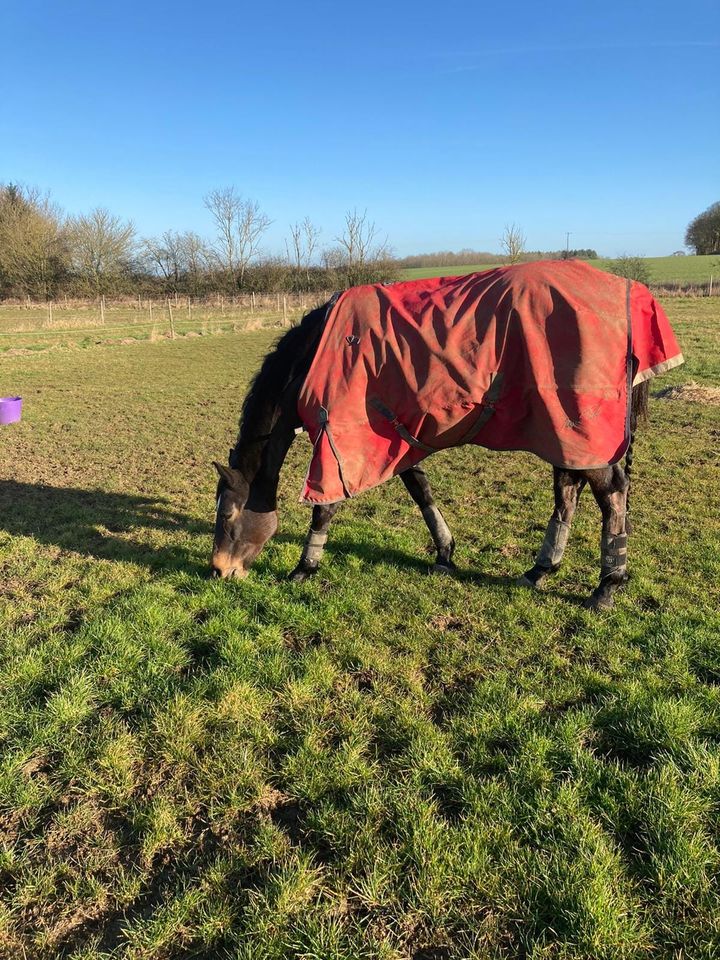
We are getting to the time of year where on every livery yard all over the UK, horse owners are asking – ‘which rug are you putting on tonight?’ You have the one that is glued to the weather apps, the one that remembers the Beast from the East and the one who is just bewildered at the amount of choice on what sort of rug to use.
Walk onto almost any livery yard, open up a tack room, and you’ll likely find a staggering tower of rugs. There’s the 0g light turnout, the 50g lite-plus, the 100g middle-weight, the 150g, the 200g, the 300g heavy, the high-neck option, the detachable-hood option, the fleece, the waffle cooler, the exercise sheet, and enough under-rugs to start a small saddlery business.
It’s completely understandable! As horse owners, we want our horses to be happy, dry, and cozy. The moment the temperature dips a single degree or a cloud looms overhead, the urge to go out and buy “just one more rug” is overwhelmingly strong.
However, if my time with horses has taught me anything, it’s that simplicity often wins – for your wallet, your tack room space, and most importantly, for your horse’s natural thermoregulation.
When it comes to equines and wardrobe choices, less really is more.
The Reality of How Horses Stay Warm
Before talking about what rugs to buy, it helps to step back and look at how horses actually manage their own climate control.
Horses are surprisingly efficient self-heaters. Their digestive process (specifically the fermenting of fibre in the hindgut) works like an internal central heating system. On top of that, their coats naturally fluff up (piloerection) to trap warm air next to their skin.
When we throw an overly heavy rug onto a horse, we flatten that natural air layer. If we get the weight wrong and they overheat, they sweat. Sweat traps moisture against the skin, and once they stop moving, that trapped dampness actually makes them far colder than if they had been left with less filling in the first place!
So, how do we keep them comfortable without overcomplicating things? By stripping back the wardrobe to a few well-designed, versatile basics.
Starting from Scratch: The 2-Rug Foundation
If you are starting out with a new horse, trying to declutter your rug storage, or just want to adopt a more sensible approach to winter, you don’t need a mountain of nylon. In fact, you can start with just two good-quality rugs and build up only as you need to:
1. A Decent Lightweight Turnout (0g – 50g)
This is your ultimate year-round shield against the element. A good lightweight waterproof turnout isn’t really about warmth—it’s about protection from rain and wind.
- Why it works: Rain-soaked fur loses its ability to trap warm air. By slipping a breathable, quality lightweight turnout over your horse on a wet, windy day, you keep their coat completely dry. Their internal heater can then do its job naturally without the rug overheating them.
- Top tip: Invest in high-denier (1200D or higher) so it holds up against fence rubs, briars, and field-mate tugs. A durable, waterproof sheet is worth its weight in gold.
- I personally recommend the Horseware Amigo , a great all round rug that won’t break the bank and you can layer under.
2. A Decent Medium Weight Stable Rug (approx. 200g)
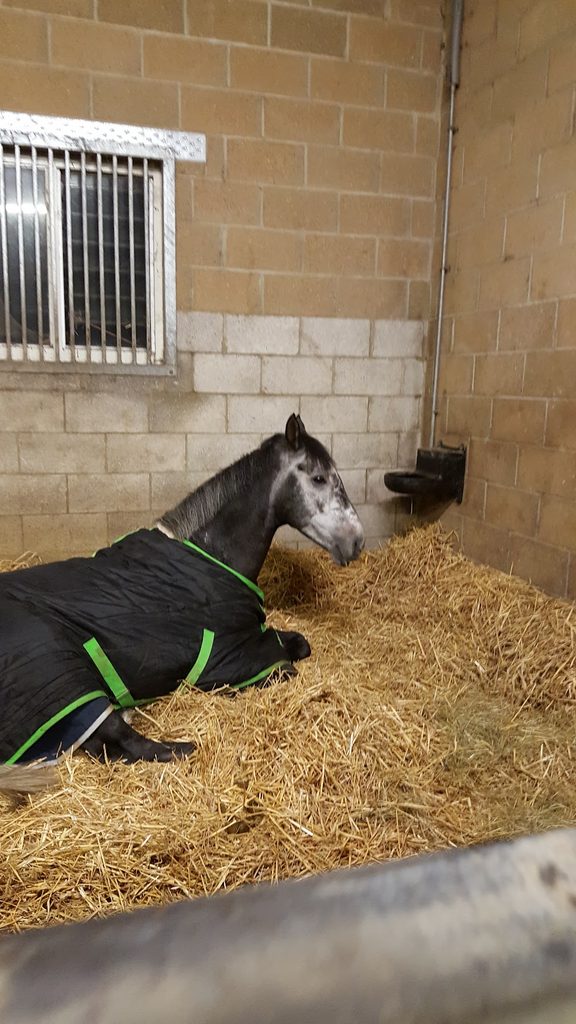
When the temperature drops properly overnight or your horse is clipped and coming inside out of the wind, a medium weight stable rug provides that cozy, breathable layer of warmth.
- Why it works: Stable environments lack the natural wind, rain, and mud of the field, but stabled horses also can’t move around as freely to generate body heat. A classic 200g stable rug offers enough insulation to keep the chill off without making them sweat in their bedding.
- Top tip: Look for good shoulder gussets and soft lining around the chest and wither area to prevent rubs during long winter nights in the box.
- I personally recommend the Swish Stable Rug line, they fit well and are kind on the wallet or if you want a system that works with the Amigo, then the liner that will fit this rug.
How to Expand (Without Overwhelming Your Tack Room)
Once you have your core two rugs, you’ll start to get a feel for how your horse naturally handles the seasons. Do they run hot? Are they a poor keeper who drops weight easily? Are they fully clipped or natural?
Instead of buying ten separate rugs for every minor weather tweak, you can build flexibility into your basic setup using simple layering systems or detachable necks:
- Add a simple fleece or cooler: Placing a breathable fleece underneath your lightweight turnout quickly turns it into a light-medium layer on chilly spring mornings. Fleeces are also great for drying off a sweaty horse after a ride or keeping dust off at a competition.
- Consider a liner system: Many modern turnout brands offer detachable liner systems (e.g., 100g or 200g inserts) that clip directly into your main turnout sheet. This lets you turn your 0g sheet into a heavy turnout in seconds, saving money and rug-rack space. Horseware do a great line of liners that I really recommend.
Trust the Feel Test (Not the Weather App)
It’s easy to look at the weather forecast in the morning, feel a chill while sipping a hot mug of tea in the kitchen, and assume your horse needs another layer. But humans feel the cold much faster than horses do!
The easiest way to check if your minimalist rugging approach is working is simple: slide your hand under the rug just behind the shoulder.
- If it feels comfortable and warm, they are spot on.
- If it feels cold or chilly, they might need a light layer adding.
- If it feels hot, clammy, or damp, they are over-rugged and need stripping back.
The Takeaway
Equine marketing makes it very easy to feel like you’re failing your horse if you don’t own every rug weight under the sun. But keeping things simple reduces stress, saves money, and actually supports your horse’s health far better in the long run.
Start with two decent, well-fitting, high-quality basics. A solid lightweight turnout and a reliable medium stable rug, and go from there. Your horse (and livery yard owner) will thank you for it!
How many rugs do you currently have tucked away in your tack room or garage at home? Are you a “less is more” minimalist or an accidental collector?
One Reply to “The Great Rug Dilemma: Why ‘Less is More’ When Layering Up Your Horse”