
If you walk onto any livery yard in late September, you will inevitably hear the same ritual debate.
“It dropped to 8 degrees last night, so I put him in a 200g medium-weight.”
“I’m clipping early because his winter coat is coming in fast, it must be because of this chilly autumn rain!”
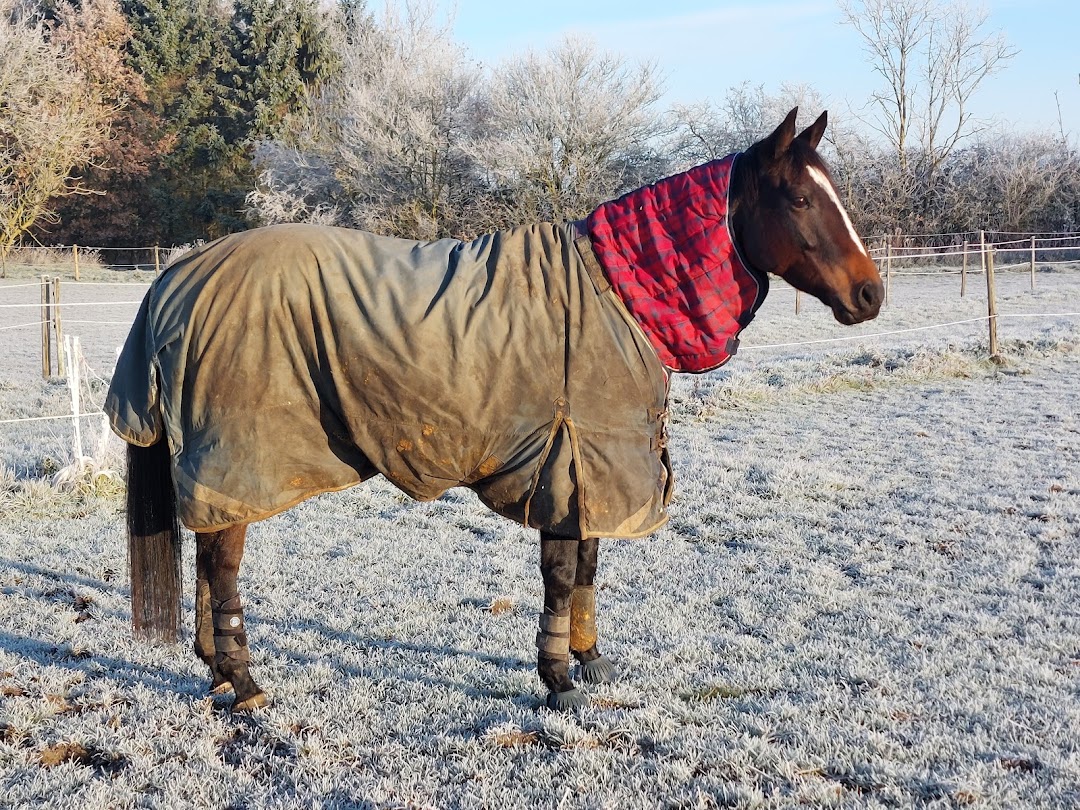
It is one of the most enduring myths in the equestrian world: the belief that dropping temperatures trigger hair growth, and heavy rugging keeps a coat thin.
Having spent over a decade working on Thoroughbred studs in Newmarket, foaling down hundreds of mares and preparing stock for elite sales, I’ve seen firsthand how high-level equine physiology actually works. When you need a mare cycling in February or a yearling showing a summer-slick coat in the dead of winter, you don’t reach for another turnout rug. You reach for the light switch.
Let’s strip away the yard folklore and look at the science in black and white.
The Big Myth: Cold Weather vs. Photoperiod
Your horse does not grow a winter coat because their skin feels a chill. Hair growth is governed almost entirely by photoperiod, the length of daylight in a 24-hour cycle.
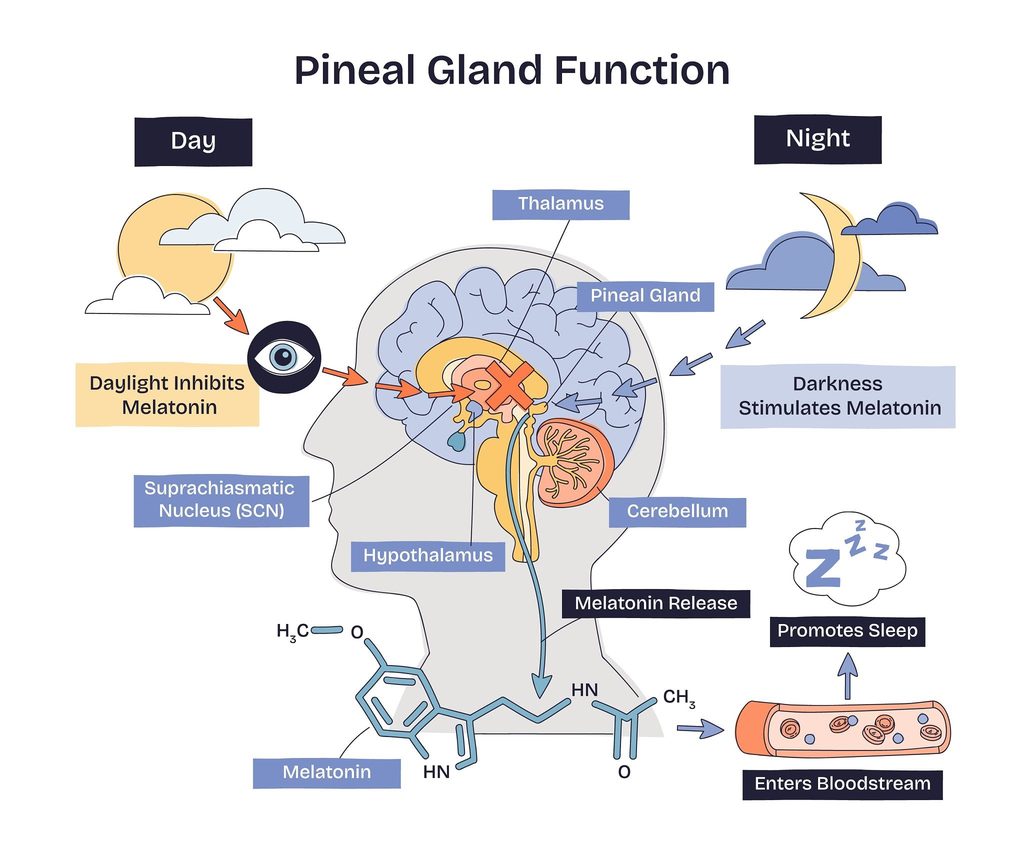
Here is what is actually happening inside your horse’s body as autumn approaches:
- Light Enters the Eye: Receptors in the horse’s retina detect decreasing hours of daylight as the days shorten after the summer solstice.
- The Pineal Gland Responds: This signal is transmitted to the pineal gland in the brain. Less light means the pineal gland increases its production of melatonin (the “darkness hormone”).
- The Pituitary Cascade: High levels of melatonin suppress the hypothalamus and pituitary gland, altering the release of key hormones like prolactin, the primary hormone responsible for coat shedding and hair follicle activation.
- Follicle Shift: Lower prolactin levels signal the hair follicles to shift into their growth phase (anagen), producing the thick, dense undercoat we recognize as winter hair.
Rugging a horse in five layers when the temperature drops will keep their body warm, but it will not stop the hormonal cascade triggered by their eyes. If light levels are dropping, the coat is coming.
What Breeding Studs Learned Decades Ago
If you want proof that light trumps temperature, look at the Thoroughbred breeding industry.
Equine reproduction is seasonal. Mares are long-day seasonal polyestrous breeders, meaning they naturally go into anoestrus (a reproductive shutdown) during the short, dark days of winter. In the wild, this ensures foals are born in warm spring weather when grass is lush.
However, in the racing world, every Thoroughbred officially turns a year older on January 1st. To produce early-born foals that have a competitive edge at the sales and on the track, studs need mares to wake up from anoestrus and start cycling by February.
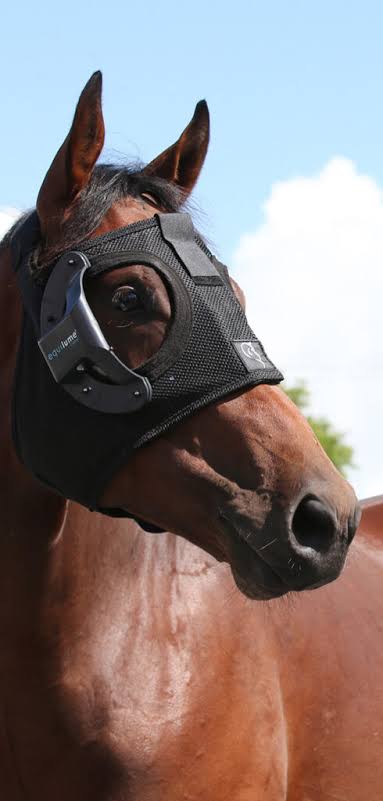
How do we break nature’s seasonal clock? Artificial lighting regimes either with stable lights or a system like EquiLume.
The Protocol: How to Trick the Pituitary Gland
By extending daily light exposure to 16 hours, we suppress melatonin production, tricking the pituitary gland into believing it is June.
The result? The mare’s hormonal system fires up, ovaries wake up, and as an added biological byproduct, the winter coat sheds out to reveal a shiny, short summer coat, even if it is -2°C outside in Newmarket!
If you want to use photoperiod science to manage your own horse’s coat condition over winter, here is the exact protocol used in elite barns:
1. The Light Intensity (Wattage)
A dim 40W bulb in the corner of a barn won’t cut it. The light must be strong enough at the horse’s eye level to register as daylight.
- Target light intensity: 100 to 150 lux at eye level.
- Practical rule of thumb: If you stand in the stable and cannot easily read a newspaper in every corner, it is not bright enough.
- Standard setups usually require a 100W incandescent bulb or a bright, high-lumens LED fixture mounted safely above the stable.
2. The Daily Schedule (16 Hours Bright / 8 Hours Dark)
Timing is critical. Horses require a consistent duration of light to reset their internal circadian rhythm.
- Target total photoperiod: 16 hours of continuous light per day.
- The Routine: Set timers so lights turn on before dawn (e.g., 6:00 AM) and stay on through the evening until 10:00 PM.
- Crucial Rule: Do not leave lights on 24 hours a day. The pineal gland needs 8 hours of complete darkness to maintain normal neurological and biological function.
3. Start Early
It takes approximately 60 to 70 days of continuous light therapy for the hormonal cascade to shift coat condition and reproductive cycles. If you wait until November when your horse looks like a woolly mammoth, you’ve missed the window. Broodmare managers typically start light therapy on December 1st to bring mares into heat by early February.
So, Why Do We Rug at All?
If rugs don’t stop hair growth, why do we use them?
Rugging isn’t about stopping hair growth, it’s about thermoregulation and energy management:
- Energy Conservation: A horse uses significant dietary energy (calories) to maintain their core body temperature (around 38°C). Rugging prevents them from burning off condition just to stay warm.
- Comfort for Clipped Horses: When we clip a horse to prevent excessive sweating during winter ridden work, we remove their natural insulation. A rug replaces that barrier.
- Grease and Weather Protection: Rugs shield the skin from rain scald, mud, and wind-chill.
Rugging is a tool for thermal comfort, but light controls the hair.
The Bottom Line
Next time someone tells you to put a heavier rug on to stop your horse growing a winter coat, you can give them the facts. See last week’s blog on what you really need as a horse owner rug wise for winter.
Rugs keep horses warm, but their brain reads the daylight hours. If you want a shiny, short coat over winter without over-clipping or piling on six layers of canvas, put away the heavy turnouts and install a timer on your stable lights. Science wins over yard myth every single time.